
Sugar Grove Elementary students experience the power of kindness
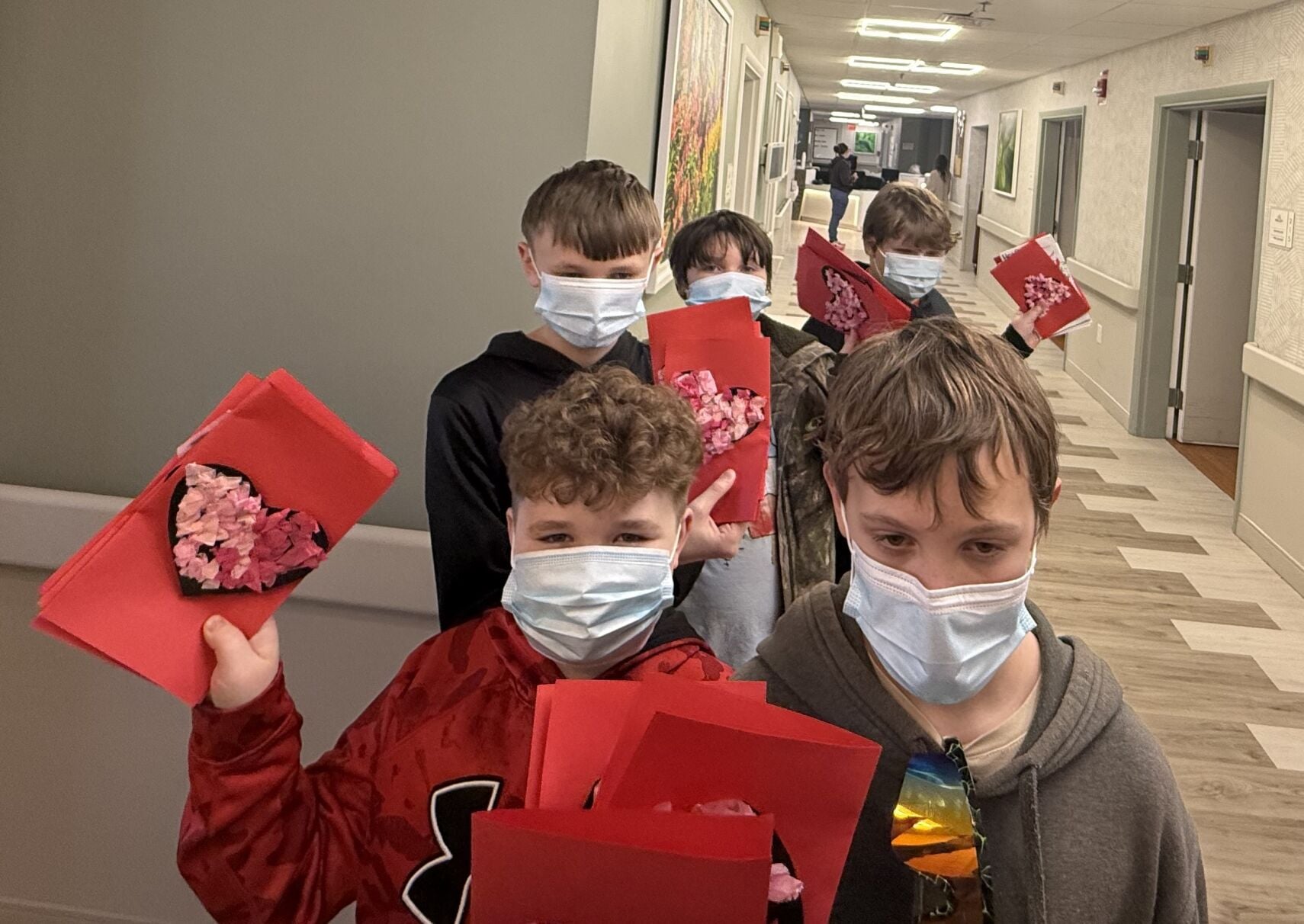
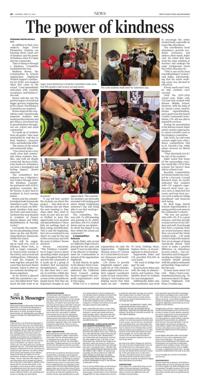
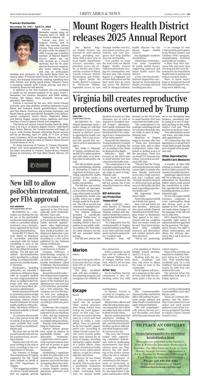
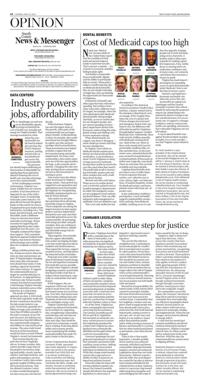
Sugar Grove Elementary's Kindness Committee made cards that fifth-graders took to local nursing homes.

The cards students made were for Valentine's Day.


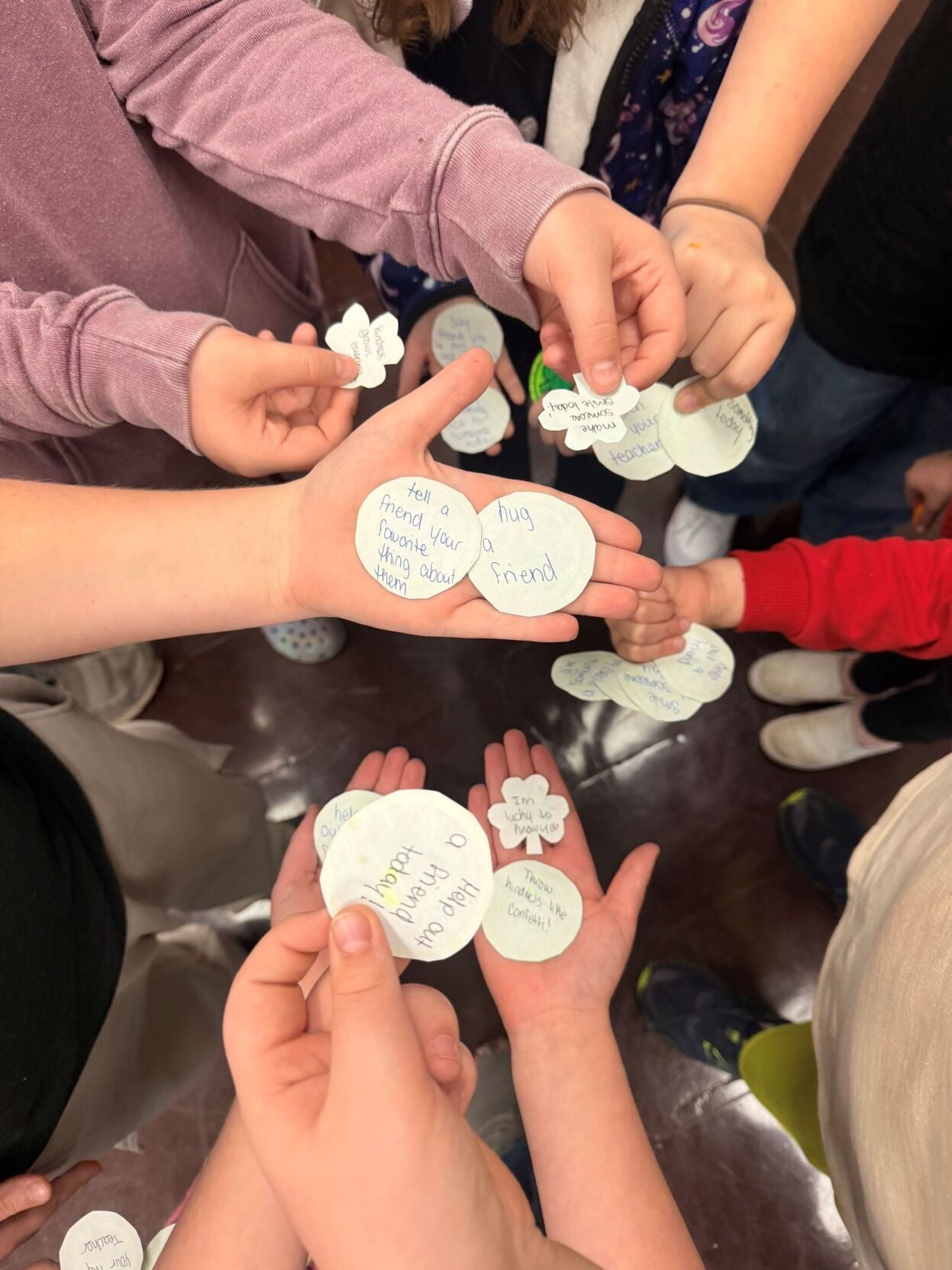


In addition to their class subjects, Sugar Grove Elementary students are learning about small acts of kindness and the power of kindness when it’s taken into the community.
They’re doing so through a Kindness Committee established this year.
Madison Brown, the Communities In Schools Appalachian Highlands Student Support Coordinator for SGES, was inspired when first came to the school. “I was immediately welcomed with warmth, acceptance, and kindness,” she said.
Brown said she saw the positive impact of small and bigger gestures happening in the school. The Kindness Committee was inspired.
Brown believed the committee could “intentionally empower students who model positive behavior and give them a structured way to spread kindness throughout our school and small community.”
It’s made up of students from all grades “who were nominated by staff due to their kindness, character traits, and leadership skills.”
The nature of the school and community helps.
“Our school serves a very small, close-knit community where students, families, and staff are deeply connected. Because of this, even small acts of kindness can have a meaningful and lasting impact,” Brown observed.
The committee’s first endeavor was a Valentine’s Day Project through which the Kindness Committee partnered with SGES’s guidance counselor, Kellie Vernon, to give back to residents in local nursing homes.
Brown said the committee helped make homemade Valentine’s cards. “We were also able to have our fifth-grade members help pass out treats and some essential items that were donated to residents of Francis Marion Manor and Valley Rehabilitation & Nursing Center.”
Last month, the committee was also planning a trash clean-up day and distributing kindness Shamrocks within the school.
“We will be engaging in small acts, such as Kindness Shout-Outs, as well as larger community-based events outside of the school, such as food and clothing drives. Ultimately, I want the students to work together and pick the cause they feel most drawn towards, which is what we are currently deciding on,” Brown explained.
So far, Brown is pleased with the committee’s success. She talked about “how much the kids want to be involved.”
“I can tell how excited the students are about this project - they find me in the hallway and ask when the next meeting is, they share ideas they want to work on next and are just so thrilled to have this opportunity to be involved and spread kindness! These kids are nothing short of kind, caring, and dedicated. This is only the beginning, but I am so overjoyed to see what's to come by the end of this school year, and with the years to follow,” Brown declared.
Vernon concurred. “The Kindness Committee at Sugar Grove is about spreading smiles and good vibes throughout the school and into the community. It is made up of a group of students that incorporate thoughtfulness, positivity, and cheer into a variety of activities within the school and community. The actions of the committee let people know that they are important, thought of, and appreciated. The committee members are internally rewarded with feeling good about simply brightening someone's day and being able to see that small gestures matter.”
The committee, Vernon said, “is still planning and growing in its ability and ideas, but it is student driven and we are optimistic about the impact it can have within the school and community.”
Communities In Schools
Rocky Baker, who served as Chilhowie High School’s principal for five years and spent 33 years in education, is the director of development for Communities in Schools of the Appalachian Highlands.
In mid-March, he spoke to the Marion Town Council and, earlier in the year, addressed the Chilhowie Town Council, seeking funds to support the nonprofit organization’s work in this region.
While CIS is a national organization, he said, the Appalachian Highlands division serves 117 schools in 17 school districts in eastern Tennessee and Southwest Virginia.
CIS strives to provide integrated support, especially for at-risk students. Baker explained that a student support coordinator works in each school identifying at-risk students and helping ensure that their needs are met – whether it’s food, clothing, shoes, hygiene items, or encouragement to attend school.
Regionwide, Baker said CIS provided $92,000 in such needs.
“We want to bridge that gap,” he said.
In each school, Baker said, with the help of administrators and teachers, they identify about 50 students for case management.
Additionally, Baker said, the coordinator may work to encourage the entire student body, especially on issues like attendance.
The coordinators track attendance, provide academic assistance, and address other needs, Baker said. He noted that they work the same schedule as teachers and undergo the same background check that other educators do.
“This is one of the most rewarding things I’ve done,” said Baker, acknowledging that his entire working career was devoted to education.
If basic needs aren’t met, he said, students can’t succeed.
Until the 2025-2026 school year, Baker said, CIS had only worked with Marion Middle School. However, with the help of Dr. Dennis Carter, Smyth’s former superintendent, and a grant from the Smyth County Community Foundation, CIS-AH was able to expand its services.
During his presentation to the Marion council, Baker noted creative approaches to school activities such as the Kindness Committee.
Like SGES, he said some schools might have attendance competitions tied to St. Patrick’s Day, while others focused on March Madness.
“They absolutely love it,” he said, of the students.
Baker noted that many of the surrounding counties would like CIS in their schools but haven’t been able to achieve it yet.
Recently, Communities In Schools model was studied by a Harvard–Cornell Research team. Its results indicated that students with CIS supports experienced short-term success such as improved test scores and long-term success such as gains in college enrollment and financial well-being.
Dr. Brad Haga, Smyth Schools Superintendent, is seeing positive outcomes in the community’s schools.
“We love our partnership with CIS. It is a great resource, and they provide so many services to our children and staff. Even though they have a caseload, there are several instances where they can reward the whole student body…. CIS really strives to help with students that are in danger of being chronically absent. They strive to make a positive difference on attendance in every school…. Our collaboration and strong partnership are evident, and our students benefit greatly with this added community partnership,” Haga said earlier this year.
To learn more about CIS visit https://www.communitiesinschools.org. To learn more about CIS Appalachian Highlands visit https://cisofah.org/.