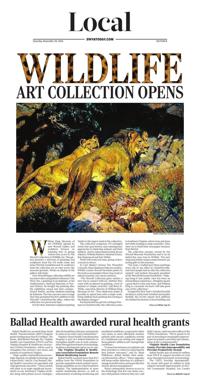

The Worrell Collection of Wildlife Art opens at William King Museum of Art
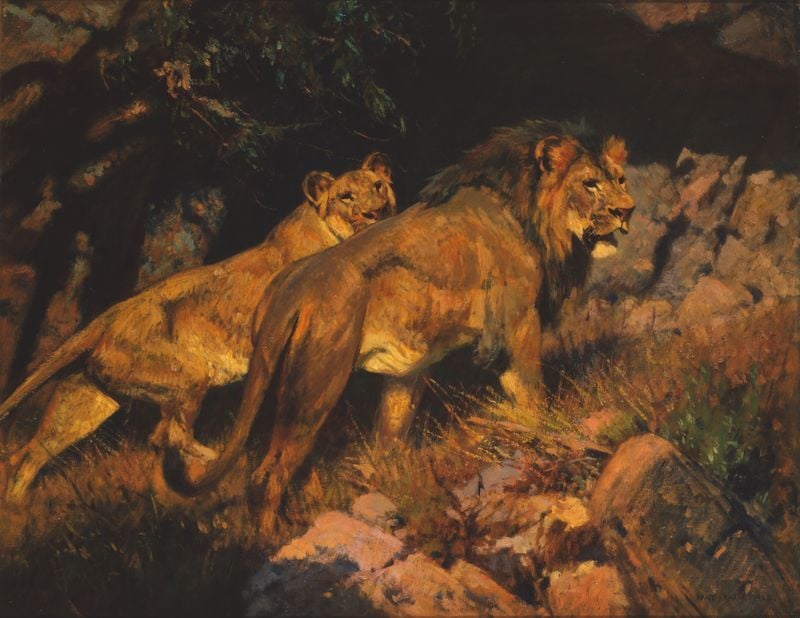
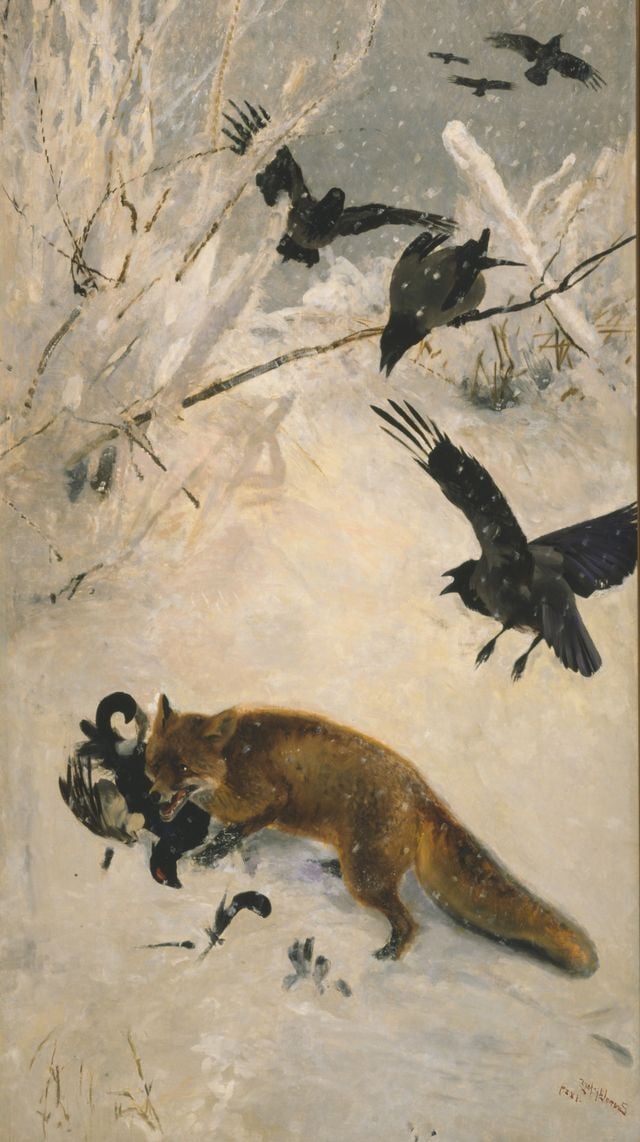
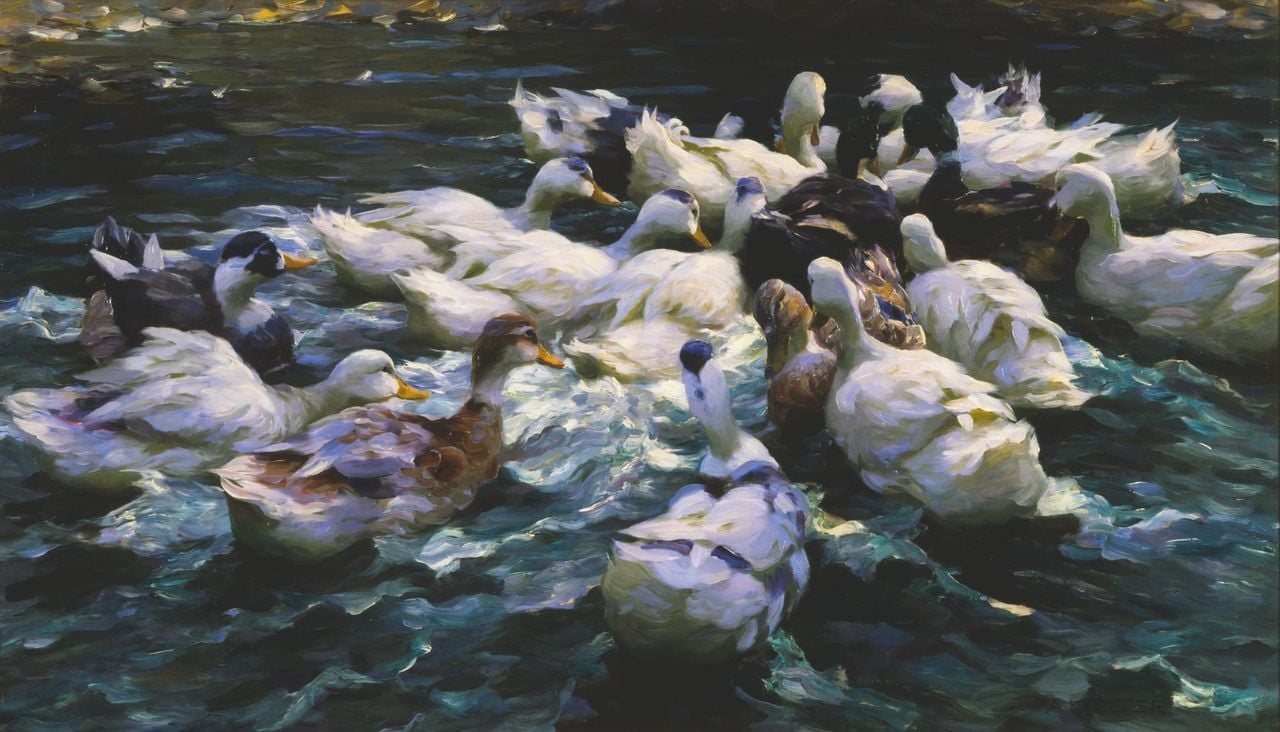
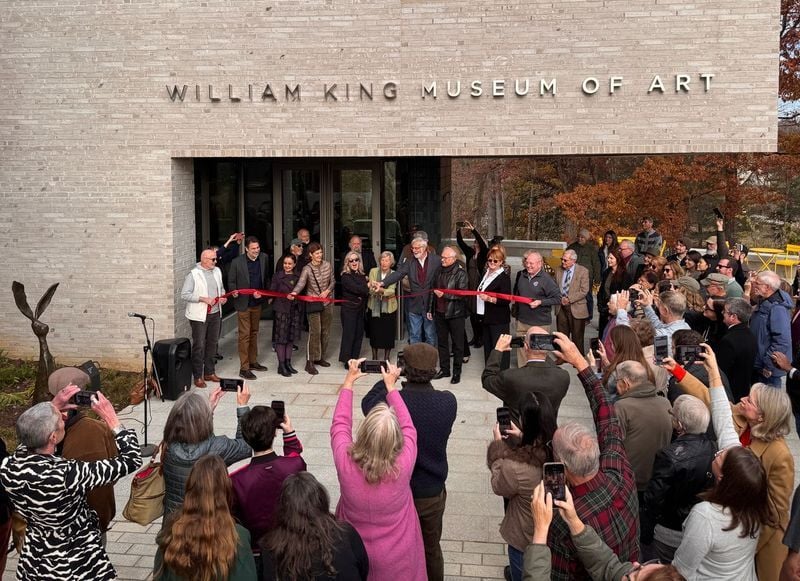
The collection's opening was celebrated last Saturday.

The William King Museum campus was expanded for the collection.
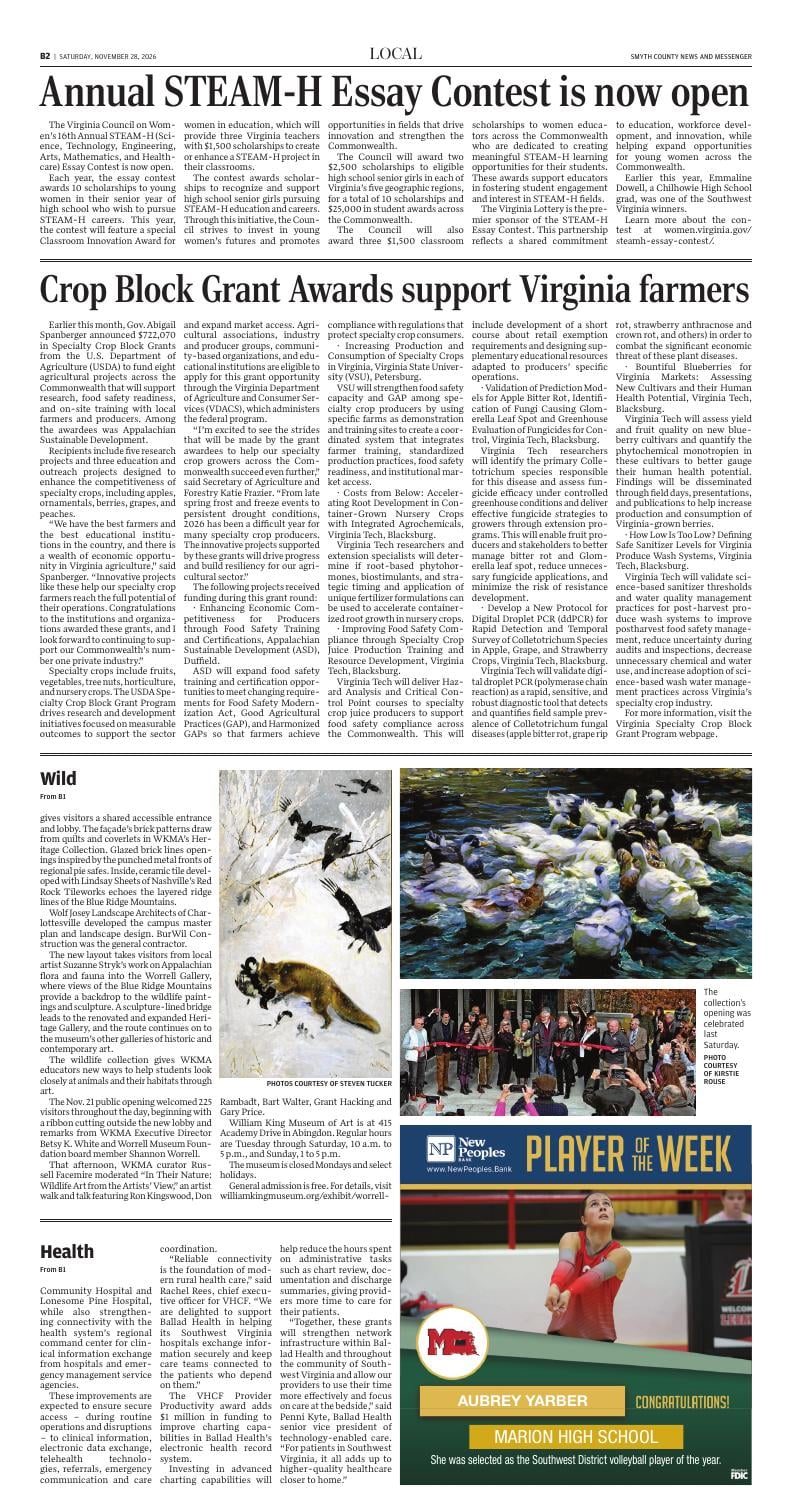
William King Museum of Art (WKMA) opened its new Worrell Gallery and sculpture terraces on Saturday, Nov. 21, giving visitors free access to The Worrell Collection of Wildlife Art. The gallery presents a selection of paintings and sculptures from the 174 works Gene and Anne Worrell assembled,and 19 sculptures from the collection are on view across the museum grounds. Works on display in the gallery will rotate.
Gene Worrell began collecting wildlife art in earnest after seeing Robert Bateman’s The Wise One, a painting of an elephant, at the Smithsonian’s National Museum of Natural History. He bought the painting after the exhibition closed and later commissioned Tembo, another elephant painting by Bateman. The two canvases were so large that they prompted the first addition to the Worrells’ Charlottesville office, where the collection was previously kept.
At 6 by 8 feet, Bateman’s elephant painting Tembo is the largest work in the collection.
The collection comprises 174 cataloged works that span historic and contemporary approaches to depicting animals and their habitats. Artists represented include Bruno Liljefors, Wilhelm Kuhnert, Manfred Schatz, Ron Kingswood and Bart Walter.
Works will rotate over time, giving visitors a reason to return.
In Carl Akeley’s bronze The Wounded Comrade, three elephants help one another. WKMA curator Russell Facemire points to the work as an example of how close study of animal anatomy can convey emotion.
“The Worrell Collection gives visitors a new way to connect with art, whether they come with an interest in painting, a love of animals or simple curiosity,” said Betsy K. White, executive director of William King Museum of Art. “Free admission makes it possible to spend time with a single work, bring children back and keep discovering as the display changes.”
Previously held in a private setting at Pantops in Charlottesville, the collection comes to Southwest Virginia, where Gene and Anne met while working as camp counselors. They went on to build their newspaper business from Bristol.
The collection remains owned by the Worrell Museum Foundation and is on an initial five-year loan to WKMA. The new wing and related campus improvements are lasting gifts to the museum.
“For years, I walked past these paintings every day in our office in Charlottesville, and most people had no idea the collection existed,” said Andrew Dracopoli, president of the Worrell Museum Foundation. “Helping bring it into public view has been an extraordinary experience. Abingdon meant a great deal to Gene and Anne, and William King is a museum we know will take good care of the collection.”
Designed by New York’s Schulhof Rashidi Architects, led by Paul Schulhof and Azadeh Rashidi, the 10,190-square-foot addition sits behind the historic school building and gives visitors a shared accessible entrance and lobby. The façade’s brick patterns draw from quilts and coverlets in WKMA’s Heritage Collection. Glazed brick lines openings inspired by the punched metal fronts of regional pie safes. Inside, ceramic tile developed with Lindsay Sheets of Nashville’s Red Rock Tileworks echoes the layered ridge lines of the Blue Ridge Mountains.
Wolf Josey Landscape Architects of Charlottesville developed the campus master plan and landscape design. BurWil Construction was the general contractor.
The new layout takes visitors from local artist Suzanne Stryk’s work on Appalachian flora and fauna into the Worrell Gallery, where views of the Blue Ridge Mountains provide a backdrop to the wildlife paintings and sculpture. A sculpture-lined bridge leads to the renovated and expanded Heritage Gallery, and the route continues on to the museum's other galleries of historic and contemporary art.
The wildlife collection gives WKMA educators new ways to help students look closely at animals and their habitats through art.
The Nov. 21 public opening welcomed 225 visitors throughout the day, beginning with a ribbon cutting outside the new lobby and remarks from WKMA Executive Director Betsy K. White and Worrell Museum Foundation board member Shannon Worrell.
That afternoon, WKMA curator Russell Facemire moderated “In Their Nature: Wildlife Art from the Artists’ View,” an artist walk and talk featuring Ron Kingswood, Don Rambadt, Bart Walter, Grant Hacking and Gary Price.
William King Museum of Art is at 415 Academy Drive in Abingdon. Regular hours are Tuesday through Saturday, 10 a.m. to 5 p.m., and Sunday, 1 to 5 p.m.
The museum is closed Mondays and select holidays.
General admission is free. For details, visit williamkingmuseum.org/exhibit/worrell-
collection/ or call 276-628-5005.