
Strengthening Rural Healthcare in Virginia (copy) (copy)
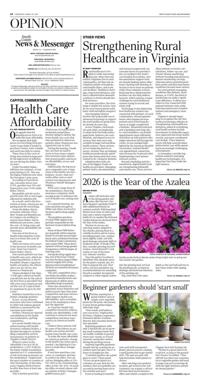
Rural healthcare in Virginia is under increasing pressure. More than one million Virginians live in rural communities, yet they rely on a limited number of hospitals, rural health clinics, and acute care facilities. Workforce shortages, long travel distances, and heavy administrative demands continue to stretch already limited resources.
For many providers, the challenge is simple but serious: how do we serve more patients with fewer staff and tighter margins?
One emerging solution involves the responsible use of advanced technology to support the work healthcare professionals already do every day.
Across Virginia, rural hospitals and clinics are beginning to adopt tools that help reduce paperwork, improve care coordination, and expand access to services that were once only available in larger metropolitan health systems. These systems are not replacing doctors or nurses. Instead, they are helping healthcare professionals spend more time doing what they were trained to do: caring for patients.
Administrative tasks are one of the biggest strains on healthcare providers. Managing patient charts, documentation, and insurance paperwork can consume hours of a provider’s day. According to the American Hospital Association, new documentation support tools are already helping reduce after-hours charting and allowing clinicians to focus more on patients rather than computer screens. Reducing these administrative burdens can also help address burnout, which remains a major challenge for rural healthcare systems trying to recruit and retain staff.
Technology is also improving how healthcare systems stay connected with patients. In rural communities, missed appointments often happen because patients must travel long distances or juggle complicated schedules. Automated outreach and scheduling tools help clinics send reminders, reschedule appointments more efficiently, and follow up with patients who might otherwise fall through the cracks. In one example highlighted by the American Hospital Association, Sanford Health saw appointment connection rates increase by 16 percent after implementing a new patient outreach system.
Beyond scheduling and documentation, digital health tools are strengthening telehealth and remote care. These services allow patients to receive consultations, follow-up care, and chronic disease monitoring without traveling long distances. Remote monitoring can help clinicians detect potential problems earlier and intervene before conditions become more serious.
For rural patients managing conditions like diabetes, heart disease, or COPD, this kind of monitoring can make a significant difference. It allows providers to stay connected with patients between visits while reducing unnecessary hospitalizations and emergency room visits.
Virginia is already beginning to recognize the role that modern technology will play in strengthening rural healthcare. Initiatives aimed at revitalizing rural health systems include investments in telehealth expansion, improved electronic health records, and more coordinated care models. These improvements will help rural providers deliver better care while operating in increasingly challenging environments.
As lawmakers consider legislation related to emerging healthcare technologies, it is important that they strike the right balance.
Protecting patient privacy, ensuring transparency, and establishing responsible standards are essential goals. Patients should understand when automated tools are being used and how their data is protected.
At the same time, policymakers must avoid regulations that unintentionally prevent rural clinics and hospitals from adopting tools that improve efficiency and expand access to care. Smaller facilities often operate with limited resources, and overly complex compliance requirements could slow the adoption of systems that help them serve their communities more effectively.
Technology alone will not solve every challenge facing rural healthcare. But it can help providers work more efficiently, improve patient follow-up, and expand access to services that would otherwise be difficult to deliver in rural areas.
Most importantly, these tools do not replace the human relationships that define rural medicine. Patients still want to see familiar faces and receive care from providers who understand their families and their communities. The goal is simply to give those providers better tools so they can focus more on people and less on paperwork.
Rural Virginians deserve the same access to timely, high-quality care as residents of any urban center. With thoughtful policy and responsible innovation, we can continue strengthening healthcare access across the Commonwealth.