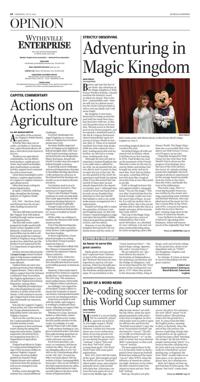


Warner talks Farm Bill and more with farmers
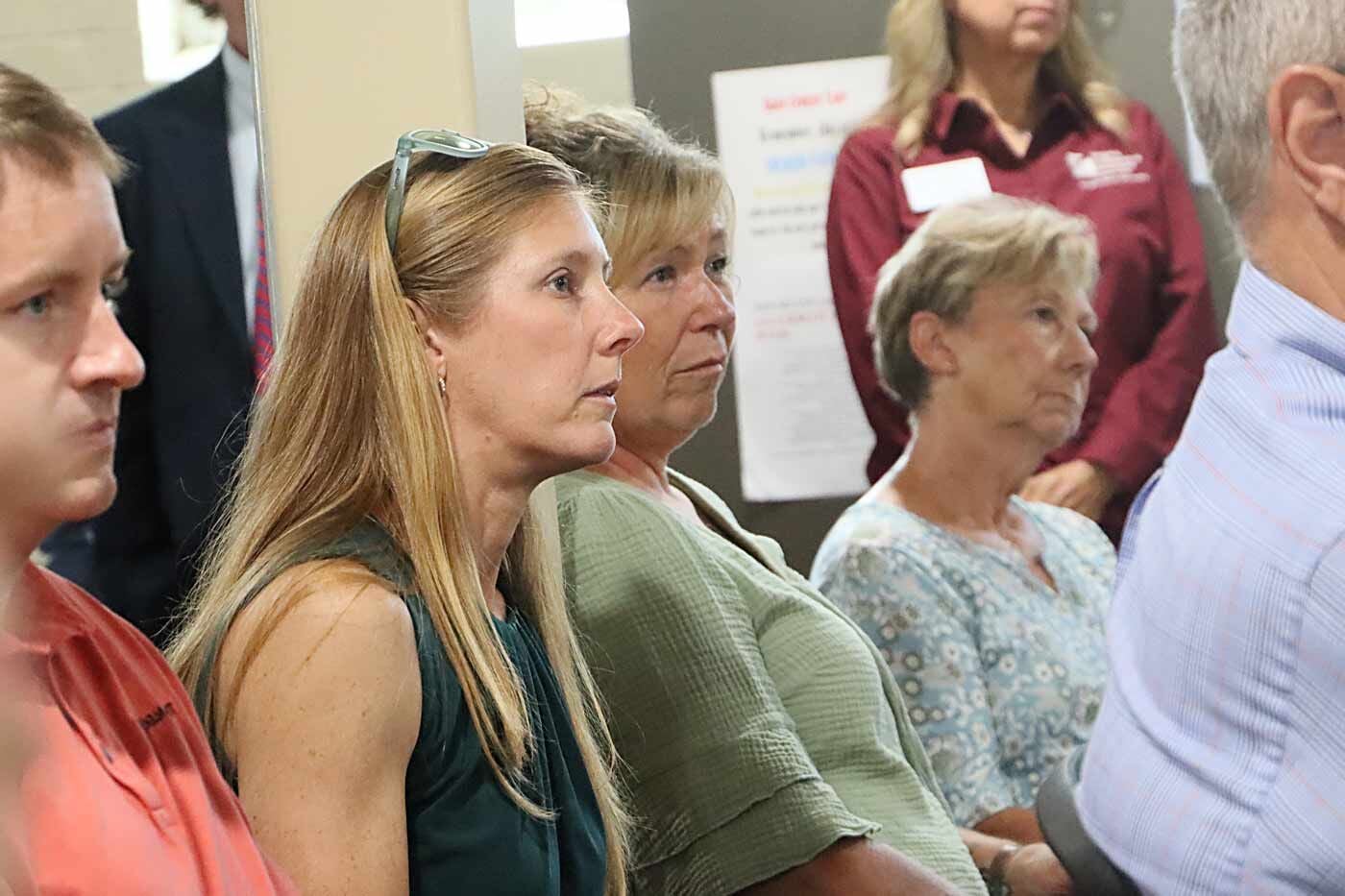
Sen. Mark Warner told farmers that he hopes he's wrong about the impact AI will have on the labor force.
Southwest Virginia farmers and agricultural stakeholders met with U.S. Sen. Mark Warner, D-Va., at the Grayson Agriculture, Technology & Educational Center on June 30 to discuss the stalled Farm Bill, disaster recovery, tariffs, artificial intelligence and the long-term workforce needs shaping rural communities.
Warner said the lack of a new five-year farm bill has left producers without the predictability they need while already facing weather volatility, rising costs and market uncertainty.
“We have not done a five-year farm bill since 2018,” Warner said. “We keep cobbling together short-term extensions that don’t give any of you predictability.”
He said the federal government “ponied up about $66 billion for rural farm relief.
“That’s the good news,” he said. “The bad news, they cut the SNAP program by more than half.”
The Supplemental Nutrition Assistance Program is a federal initiative that provides monthly grocery funds to the food insecure. Warner said sweeping SNAP cuts will jeopardize a Farm Bill being passed this year.
A revised version of the farm bill is currently being considered by the Senate.
The discussion came as regional farmers continue recovering from extreme weather, including a spring frost and freeze that caused severe losses for some Virginia orchard crops, and Hurricane Helene devastation in 2024. Ag leaders thanked Virginia’s congressional delegation for supporting disaster declarations, which could make low-interest loans and other assistance available to affected producers.
Washington County multigenerational farmer and president of the National Cattlemen’s Beef Association Gene Copenhaver said neighbors helping neighbors after the storm was “the real story here,” noting cooperation among counties, farmers and lawmakers.
Warner criticized broad tariff increases, saying unpredictable tariff decisions make it harder for farmers and agribusinesses to plan. While targeted tariffs may be appropriate when countries engage in unfair trade practices, he warned that sweeping policy shifts can harm Virginia growers relying on export markets.
Looking ahead, Warner said AI could bring major disruption to the U.S. workforce, and agriculture could be positioned to attract workers into lasting careers.
“I think over the next five years, we are going to see massive job dislocation come from AI,” Warner said. “We’re at 9% recent college graduate unemployment. I think it’s going to go to 30% in two years. I hope I’m wrong.”
Grayson County Farm Bureau member and community leader John Fant noted the need for diesel mechanics and other skilled trades workers, suggesting stronger career pathways for students not pursuing a traditional four-year degree. Workforce options in rural communities may retain young people with skilled jobs that support local farms and businesses.