
Spanberger proposes sweeping changes to Virginia collective bargaining legislation (copy)
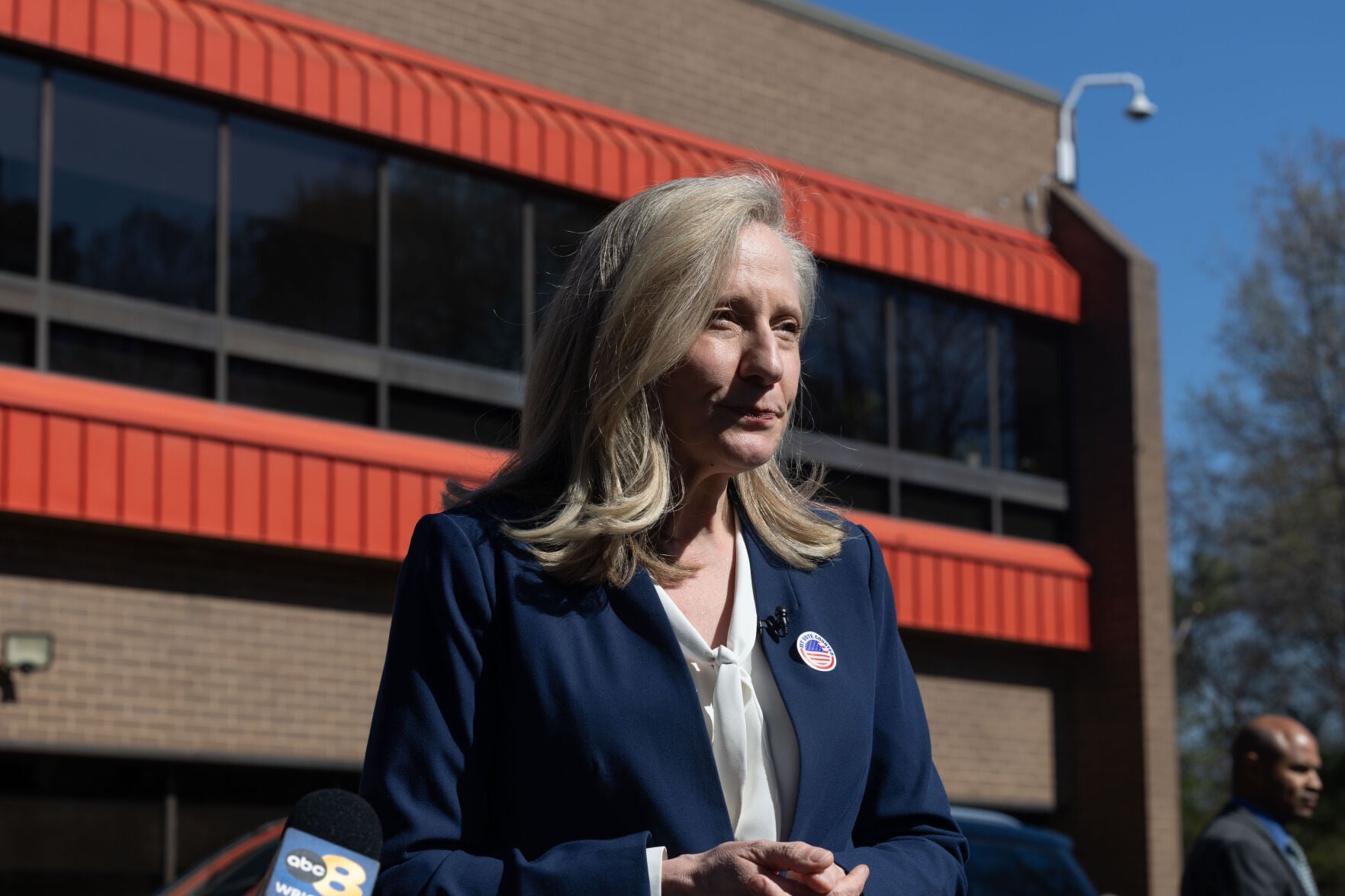
The fate of Virginia’s effort to expand collective bargaining rights for public employees remains uncertain after Gov. Abigail Spanberger proposed sweeping changes to legislation passed by the General Assembly.
The legislation, passed by the Democratic-led legislature and long sought by labor groups, seeks to establish a statewide framework allowing public employees to unionize and collectively bargain. But Spanberger’s proposed changes would delay key provisions until 2030 and shift more authority over how the system operates to a new state board.
Lawmakers will have to decide whether to accept the governor’s amendments, reject them and send the original legislation back to her desk, or attempt to negotiate a compromise.
Lots of amendments to General Assembly bills, some rufflled feathers
Senate Majority Leader Scott Surovell, D-Fairfax, said Tuesday he’s inclined to kill the governor’s proposed changes to his bill.
At a press conference Tuesday afternoon, Spanberger did not directly answer a question asking how she would proceed if the General Assembly did not accept her amendments.
“I’m going to continue having conversations with members of the General Assembly, making very, very clear why it is so vital that they move the amendments that I put forward,” Spanberger said. “Those amendments are vital to be able to create a program that is a pretty substantial change for the commonwealth of Virginia, one that is important, but one that needs to be done methodically and purposefully.”
The current law is permissive, meaning that public sector employees can unionize if permitted by the local governing body — the city council, board of supervisors or school board. Right now, 11 school districts in Virginia have collective bargaining rights granted by their local school boards.
Surovell’s bill, which passed the General Assembly on a party-line vote, seeks to expand collective bargaining to state and local public sector workers regardless of whether the locality wants to opt in.
In addition to pushing the deadline to 2030, the proposed changes would also shift most rulemaking to a state board appointed by the governor. Labor advocates said they worry that with the amendment, it would only take one unfriendly administration to shut down all collective bargaining for public employees throughout the state.
The Virginia Education Association, a statewide union representing teachers and school support staff in most of the state’s school districts, said in a statement that the governor’s amendment “undermines both the spirit and the intent of these bills by replacing durable, statutory rights with a fragile regulatory framework.”
“By delaying rights for local school employees until 2030 and moving core protections into regulations, this substitute creates a ‘regulatory kill switch’ that would allow future administrations to stop collective bargaining in its tracks without a single vote from the General Assembly,” the VEA said. “When the General Assembly reconvenes on April 22nd, we urge lawmakers to stand strong for the public sector workforce and reject this substitute.”
Virginia Democrats spar with governor over money to pay looming bills
The Virginia Association of Counties, which had been urging Spanberger to veto the bill, said in a letter to its board of directors Tuesday that Spanberger’s proposal to delay until 2030 “provides counties with needed time to assess fiscal, legal, and operational impacts, but it does not alter the underlying policy shift toward a mandatory statewide framework.”
Spanberger said the delay to 2030 is vital.
“I think that lead time matters, because we're going to have an entirely new process here in the commonwealth of Virginia, and all of a sudden, bringing in state and local employees across bargaining units, from law enforcement to local employees to teachers to firefighters, across every locality in Virginia,” she said.
“Again, for those who might choose to move forward, that is a lot to move all at once, and I thought it was best to make sure that certainly, as the head of the executive branch, to have us take that step forward, learn from any of the hurdles that might be in our way, and set localities up for success if their workforce chooses to collectively bargain.”

Anna Bryson (804) 649-6922