This content is unavailable. Please contact customer service for more information.
Already a subscriber? Login or Activate your account.
You've reached the end of the standard E-Edition.
This content is unavailable. Please contact customer service for more information.
Spring guided trips showcasing Virginia natural heritage resources planned (copy) (copy) (copy)
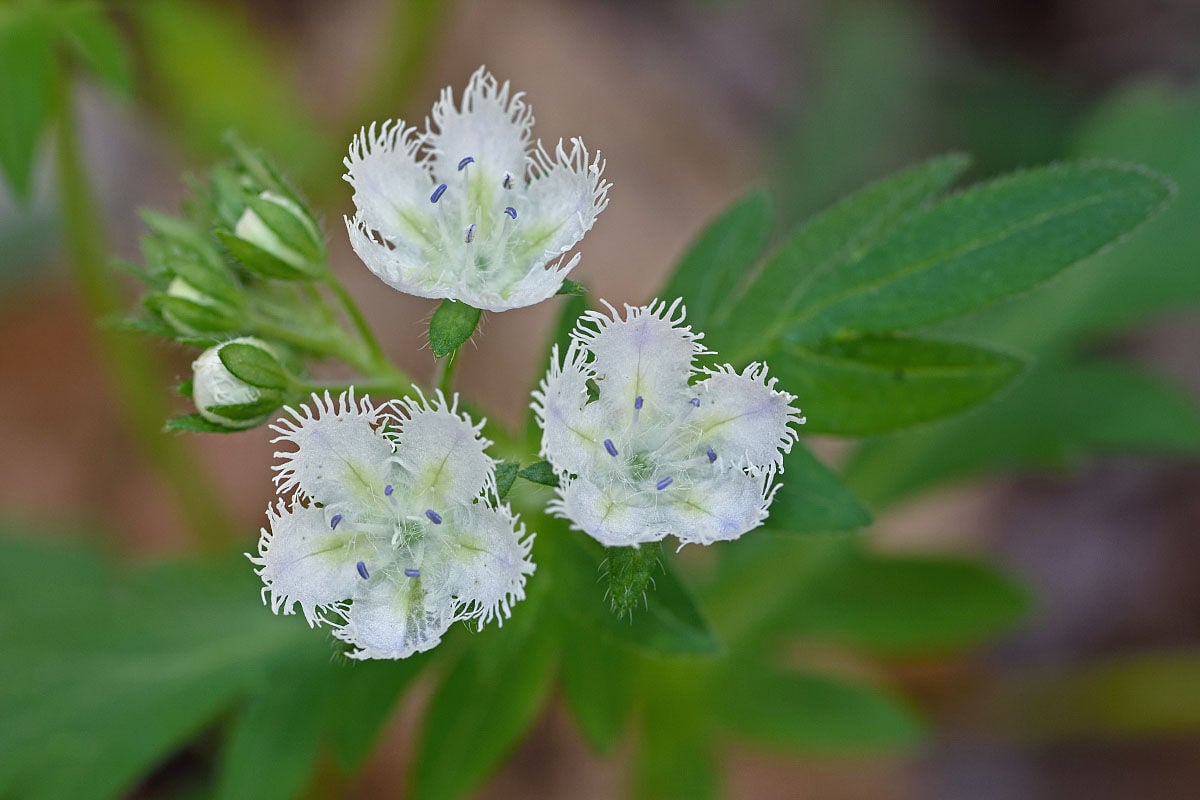
A hike to see the rare, fringed phacelia in bloom in Smyth
County is among special events planned for the Virginia Natural
Heritage Program's 40th anniversary.
SPorter / Submitted photo
The Virginia Natural Heritage Program is inviting nature lovers to join special hikes and events led by staff experts across Virginia as the program celebrates its 40th anniversary in 2026.
Among the planned spring events are opportunities to help restore river cane, view the state’s best population of a rare wildflower and to see the state’s earliest flowering orchid.
Most of the events are free of charge. Space is limited and registration may be required. For details on the events and registration information, check out a map of the events on the website, which will continue to be updated in the coming months: https://dcr.virginia.gov/natural-heritage/nh40.
Founded in 1986, the Natural Heritage Program leads statewide efforts to document and protect Virginia’s rarest species and elements of native biodiversity. Since its inception, Natural Heritage scientists have helped to discover 64 species new to science and documented 441 species never before recorded in Virginia.
The internationally recognized program manages 69 natural area preserves protecting more than 66,700 acres. More than 20 of the preserves provide public access for low-impact recreation opportunities.
To commemorate the 40th anniversary, Natural Heritage is hosting interpretive guided walks at preserves throughout the state, including preserves on mountains and even below ground in caves. Events will be held at a couple of preserves not normally open to the public.
Other events include talks about natural heritage resources, and guided walks at other sites where experts will discuss rare plants, animals and natural communities that the program protects.
For the first time, Natural Heritage offered guided hikes at three natural area preserves on New Year’s Day as part of the nationwide First Day Hikes program.
This year also marks the 100th anniversary of the Virginia Department of Conservation and Recreation, the agency in which Natural Heritage is based.
VDOT lifts lane closures to sweeten Easter weekend travel (copy) (copy) (copy)
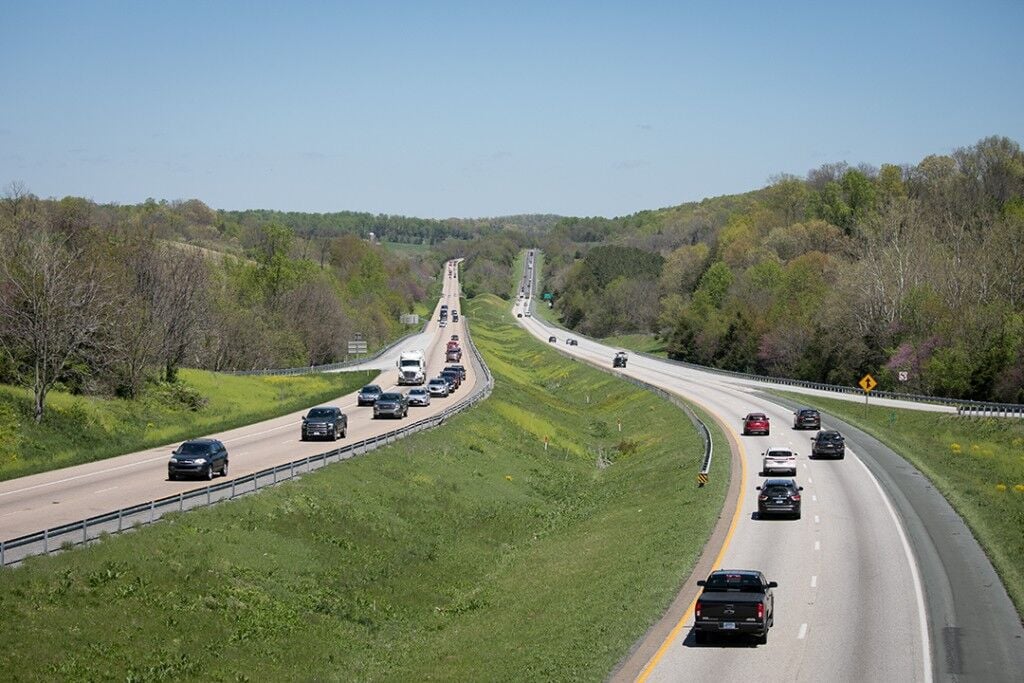
For people ready to hop into spring, the Virginia Department of Transportation (VDOT) reminds travelers to buckle up and put the phone down while behind the wheel so that everyone can safely arrive to their destinations during the Easter holiday weekend.
VDOT will be suspending many highway work zones and lifting temporary lane closures on interstates and other major roads in Virginia from noon on Friday, April 3, until noon on Tuesday, April 7.
While lane closures will be lifted in most locations, motorists may encounter semi-permanent work zones that remain in place during this time. Check VDOT’s Travel Advisories for the latest travel alerts in your area and around the state.
Additionally, VDOT offers several resources to help plan travel ahead of time.
Plan Ahead With 511 Virginia
VDOT’s 511.vdot.virginia.gov website and free mobile 511 app offer information about construction, traffic, incidents and congestion as well as access to traffic cameras, weather, electric vehicle charging stations and more. By calling 511 from any phone in Virginia, use 511’s “speak ahead” option for hands-free and eyes-free audible traffic alerts for incidents and construction along your route.
Keep Eyes On The Road
April is Distracted Driving Awareness Month, and VDOT reminds drivers they are the key to driving safely. Here are some simple steps to stay safe on the road:
• Put your phone down and enable “Do Not Disturb” mode to silence calls, alerts and notifications. If you’re in a car with a driver who is texting or distracted, tell them stop and focus on the road. If you need to respond to calls, emails or texts, pull over.
• Secure children and pets before getting underway. If they need your attention, pull off the road safely to care for them. Reaching into the back seat can cause you to lose control of the vehicle.
• Store loose gear, possessions and other distractions that could roll around in the vehicle so you do not feel tempted to reach for them on the floor or the seat.
• Eat meals or snacks before or after your trip, not while driving.
• Pay attention so you know when to move over one lane, if possible, for all vehicles with flashing lights, flares, or warning signs stopped on the side of the road. If drivers are unable to move over, they should reduce their speed and use caution.
For questions or to report hazardous road conditions, contact VDOT’s 24-hour Customer Service Center by visiting my.vdot.virginia.gov or calling 800-FOR-ROAD (367-7623).
Reminder: Spring brings increased bear activity (copy) (copy) (copy)
The spring months are a busy time for wildlife, especially black bears as they emerge from their winter dens hungry and in search of an easy meal. During this time of increased activity, it is important for Virginia residents to be BearWise® and secure all potential food sources to reduce human-bear conflicts in their neighborhoods and near their homes.
Natural foods can be scarce during the early spring, so bears often look for easy food sources. Some of which could include your garbage, compost pile, barbeque grills, birdseed, and pet food stored outside. Keeping these items secured will encourage a bear to move along and continue foraging for natural foods.
Bears are naturally cautious of humans, but they can overcome their wariness if people reward them with food; either intentionally by placing food out or unintentionally by not securing garbage, pet food, or other food sources.
Take the following steps to avoid attracting black bears near your residence:
• Secure Garbage: Keep in a locked shed or inside until collected or use a bear resistant container.
• Take down birdfeeders. For tips on attracting birds, not bears visit the BearWise® webpage.
• Secure pet and/or livestock feed in bear resistant containers or inside locked sheds.
• Clean up porches/decks: Clean grills, remove any potential food sources, and remember a screened-in porch is not a “secure” storage area from a bear’s point of view.
• Never leave food, trash, or pet/livestock feed inside your vehicle.
In 2025, nearly 2,300 bear conflict calls were recorded by the Wildlife Conflict Helpline. The most common types of conflict calls involved unsecured trash (41%) and/or birdfeeders (10%). As backyard chicken flocks become increasingly popular, conflict calls related to chickens/chicken feed have also risen. In 2025, complaints to chickens/chicken feed made up nearly 7% of all conflict calls. By following the steps outlined above, these common complaint types can be reduced and foster coexistence between people and bears.
In addition to adult bears being more active this time of year, it’s also the time when females with cubs begin to emerge from their winter den and start exploring the landscape. During this time, bear cubs can become separated from their mothers for short periods of time. In almost all instances no intervention is necessary, and the cubs should be left alone.
When a female bear with cubs perceives a threat, whether due to barking dogs, people in the area, or otherwise, she will often “tree” her cubs. Although cubs may still be very small (normally weighing 5lbs or less), they are adept climbers. The cubs will scamper high into the treetops and await guidance from their mother on when it is safe to come back down. The female will often leave the area, circling back periodically to check for when she feels the area is secure. If you see cubs in a tree and no female in the area, you should leave the area immediately. The female will return (often at night) and call the cubs back down when she feels there is no immediate threat to her or the cubs. Keeping the area free of disturbance (humans and particularly dogs) is critical for the female to be able to return and collect her cubs.
Never attempt to handle or capture a black bear cub found on your property. If the cub has a visible injury, is lethargic, or has been seen in the same location for more than 24 hours, please contact the Virginia Department of Wildlife Resources Wildlife Conflict Helpline at 1-855-571-9003.
For more information on black bears in Virginia, please visit the DWR website and learn how you can do your part to keep bears wild.
Residents can contact the Wildlife Conflict Helpline at 1-855-571-9003 to report any concerns about bears in their area and receive additional advice on preventing and mitigating wildlife conflicts.
Click and hold your mouse button on the page to select the area you wish to save or print.
You can click and drag the clipping box to move it or click and drag in the bottom right corner to resize it.
When you're happy with your selection, click the checkmark icon next to the clipping area to continue.