
Pumpkins weather tough growing season, are prime for picking (copy) (copy)

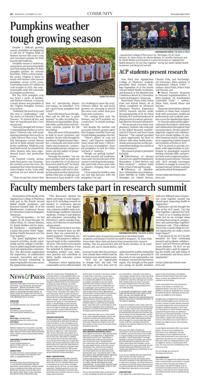
Despite a difficult growing season, pumpkins are beginning to roll out of Virginia fields as farmers harvest this year’s crop and consumers prepare for their favorite fall traditions.
Pumpkin season is underway, and growers are harvesting fields and welcoming families to their pumpkin patches for autumn festivities. With a robust pumpkin sector, Virginia is home to nearly 400 farmers who harvest pumpkins across 4,700 acres. Generating nearly $17 million in cash receipts in 2025, the commonwealth ranks 8th nationally in pumpkin production.
But the 2026 pumpkin crop has faced a series of hurdles, said Nathan Osborne, a Grayson County farmer and president of the Virginia Pumpkin Growers Association.
“Definitely the word to be used this year is ‘challenging,’” said the owner of Osborne’s Farm & Nursery. “It started off dry, and then we transitioned into a very wet period.”
That early drought left farmers “contemplating whether or not to plant,” Osborne said, with many delaying plantings that results in a later harvest than usual. Then July downpours caused disease and rot in fields already stressed by dry conditions. While his crop fared well overall, he’s heard from other farmers who have experienced losses and production issues.
In Tazewell County, farmer Andy Neel grows over 20 pumpkin varieties across five acres. He explained that when the growing season begins so dry, “your yield and fruit set isn’t what it should be.
“Then we got the storms that blew in,” introducing disease and fungus, he lamented. “I’ve got a good many pumpkins that rotted.”
Even with those losses though, Neel said he still has “a good amount” to offer, including traditional carving pumpkins alongside white, multicolored and heirloom varieties popular for fall decorating.
Neel sells most of his pumpkins in bulk to local customers and markets. He also sells through the Southwest Virginia Farmers Market, a wholesale and retail outlet where area businesses, community pumpkin patches and grocery stores can buy pallets of pumpkins and produce.
Through the market, “we can move produce that we might not have a market for, or we may just have extra yield to sell,” he noted.
Alongside weather woes, getting pumpkins sold and to market presented another obstacle for farmers this year, as high gas and diesel prices have made it “a bit of a challenge to move the crop,” Osborne added. He said many growers are choosing to absorb the extra costs rather than pass them onto customers.
“It’s coming back onto the farmers, and we’ll probably see a reduction” in overall earnings, he said.
But despite the weather and economic setbacks, growers agree that shoppers shouldn’t have any trouble finding pumpkins this fall.
“There’s plenty of crop out there,” said Hanover Vegetable Farm owner Jeff Sears. Cultivating 32 acres of pumpkins—from pie pumpkins to Jack Be Littles and Jack-o’-lanterns.
“People are getting excited” for their favorite fall traditions, Sears said. His favorite part of the season is watching former pumpkin-patch kids return years later as parents, bringing their own children.
“I love seeing the families come out and take pictures with the pumpkins,” he said.