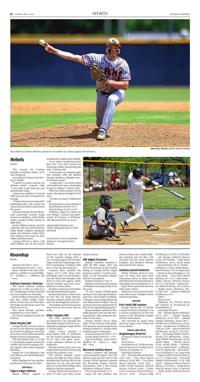


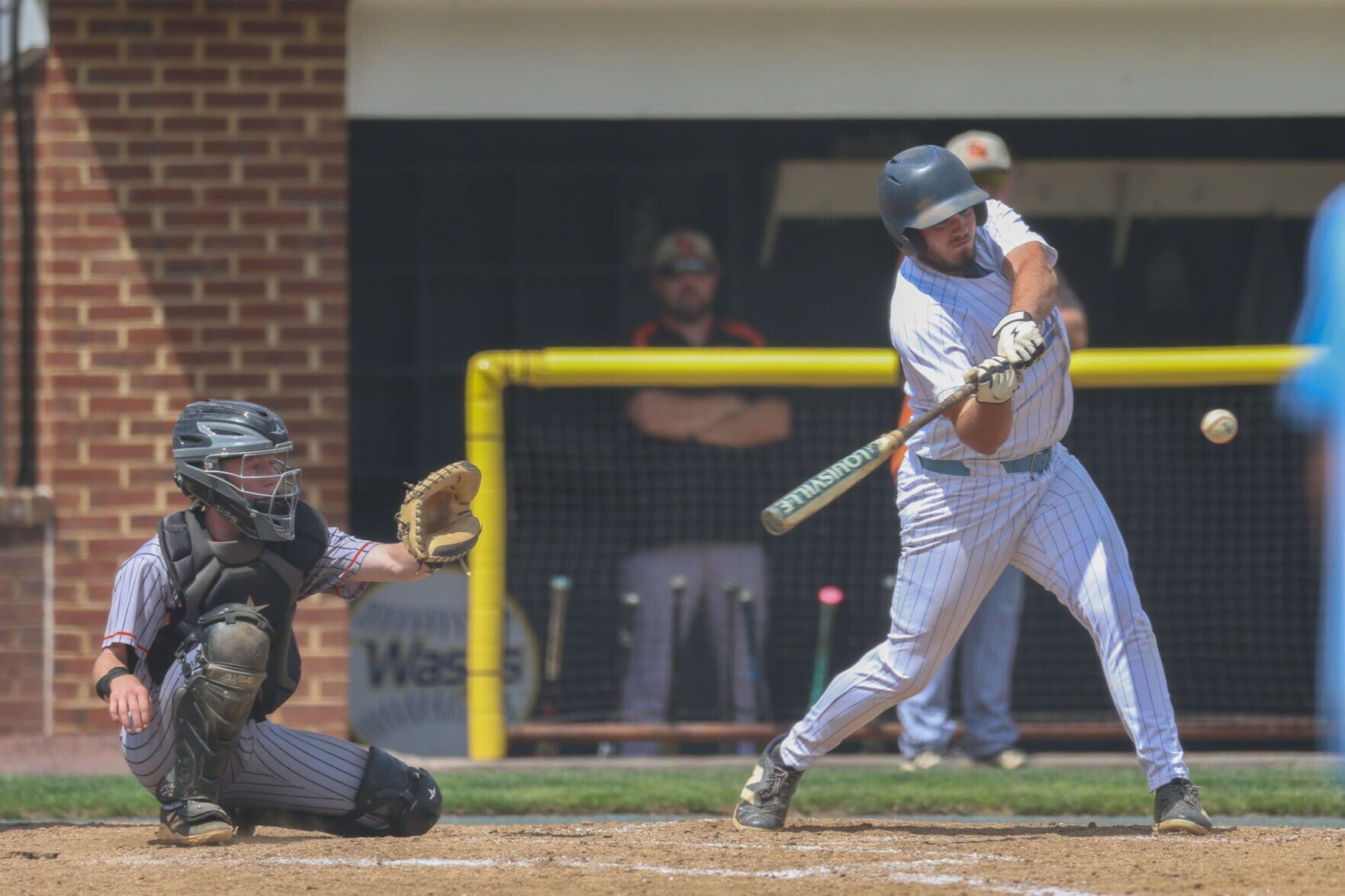
Patrick Henry's Carter Brown swings at the ball Tuesday afternoon against Rural Retreat.
Patrick Henry's Carter Brown swings at the ball Tuesday afternoon against Rural Retreat.
Patrick Henry's Carter Brown swings at the ball Tuesday afternoon against Rural Retreat.
Patrick Henry's Carter Brown swings at the ball Tuesday afternoon against Rural Retreat.
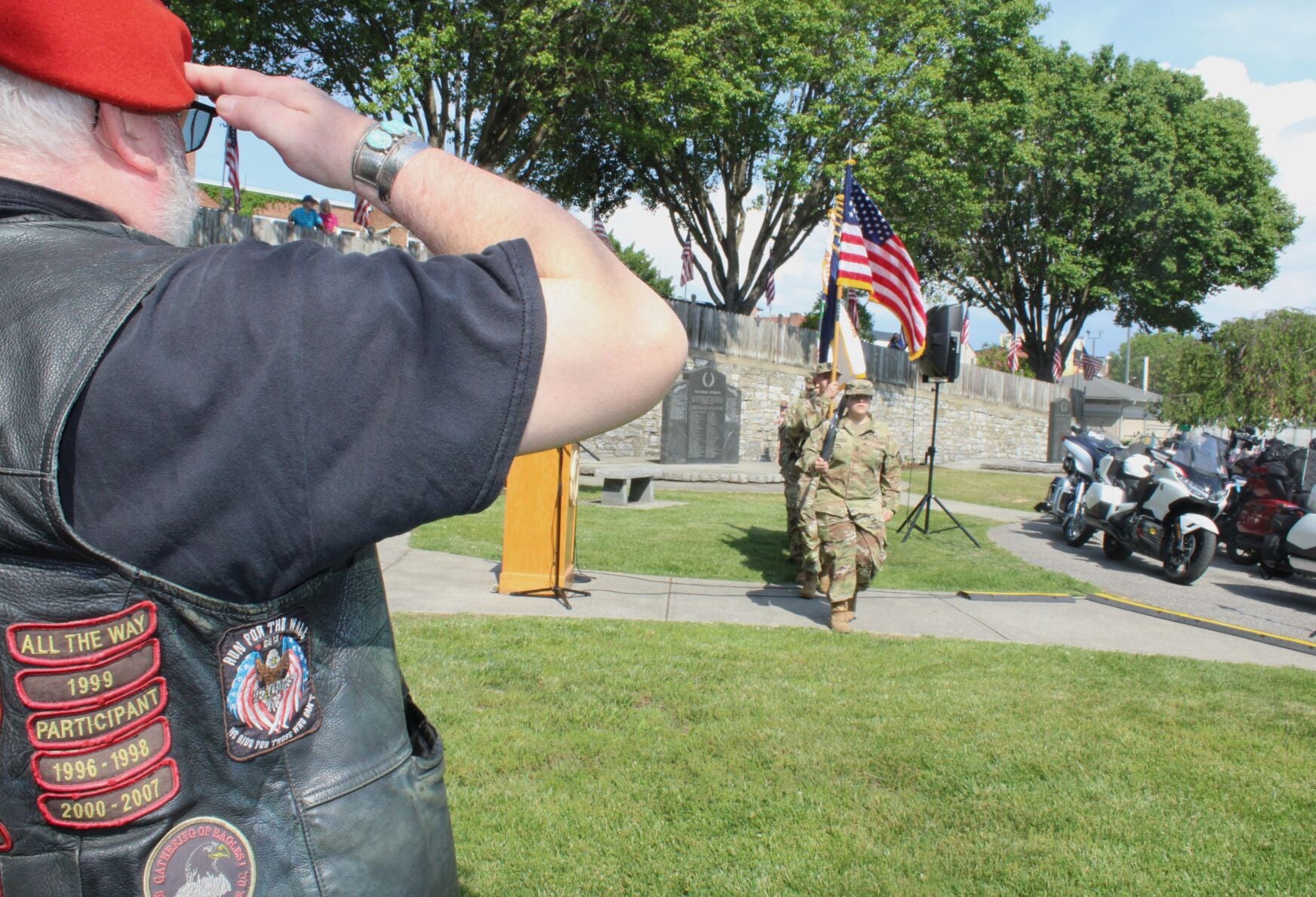
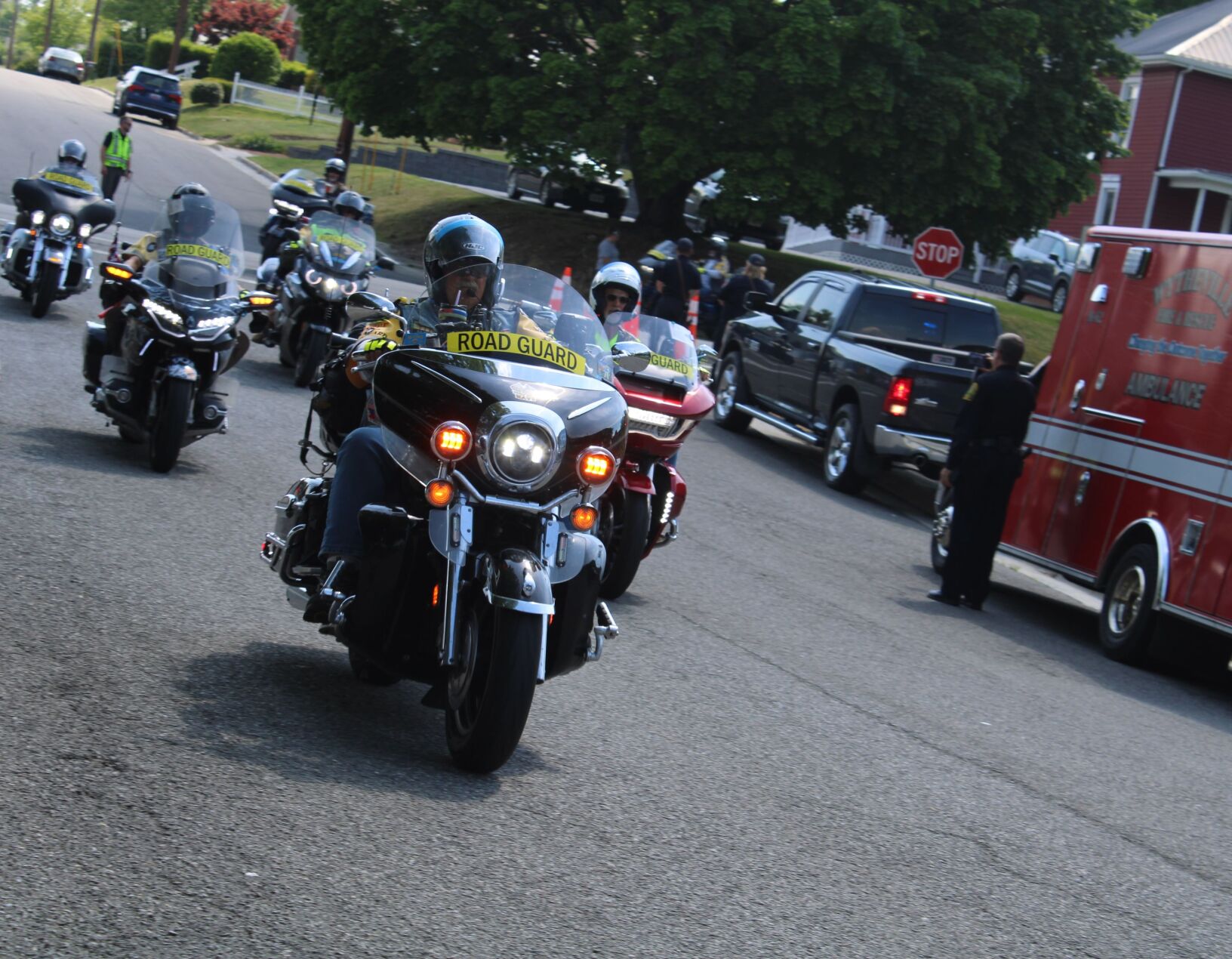
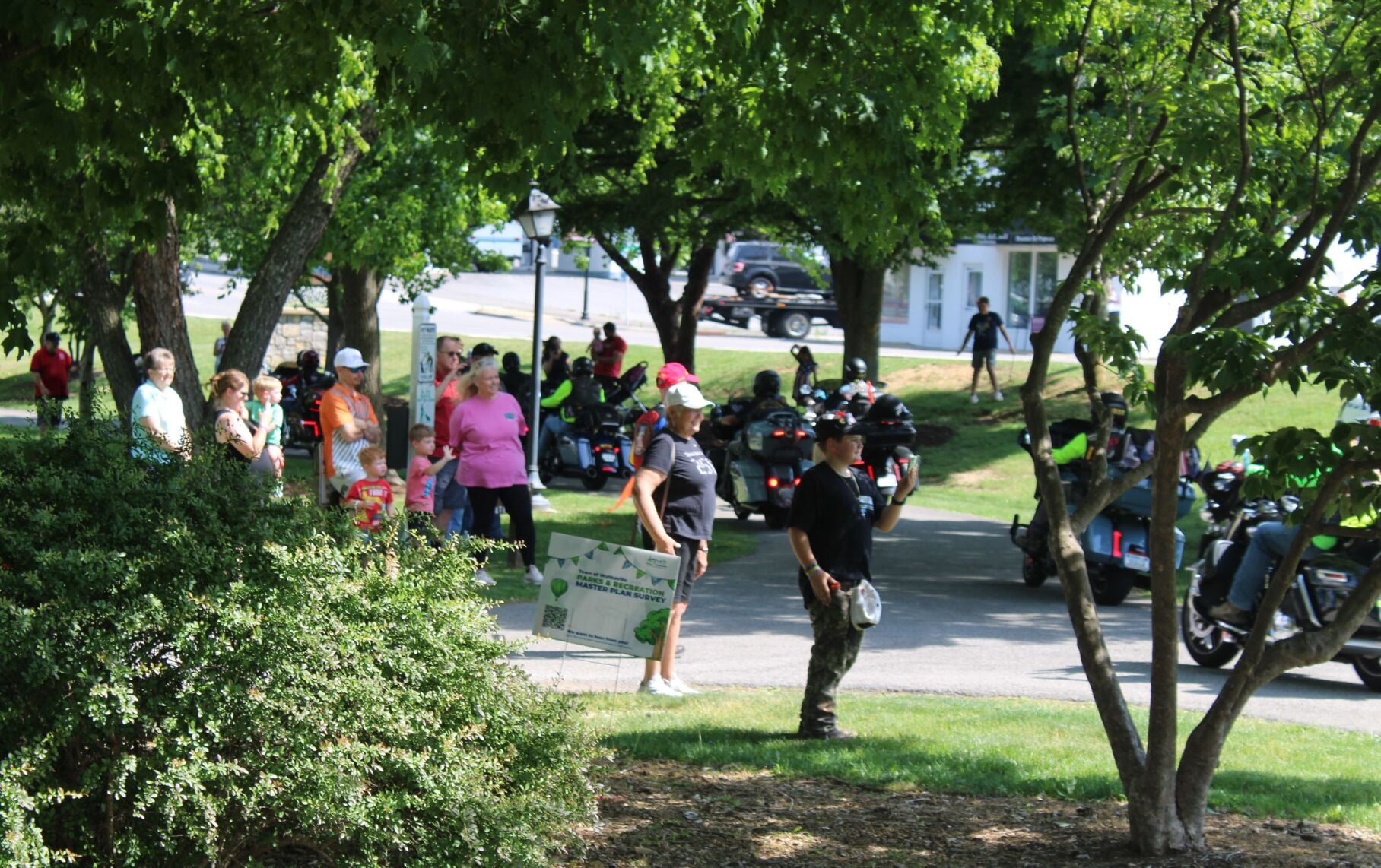
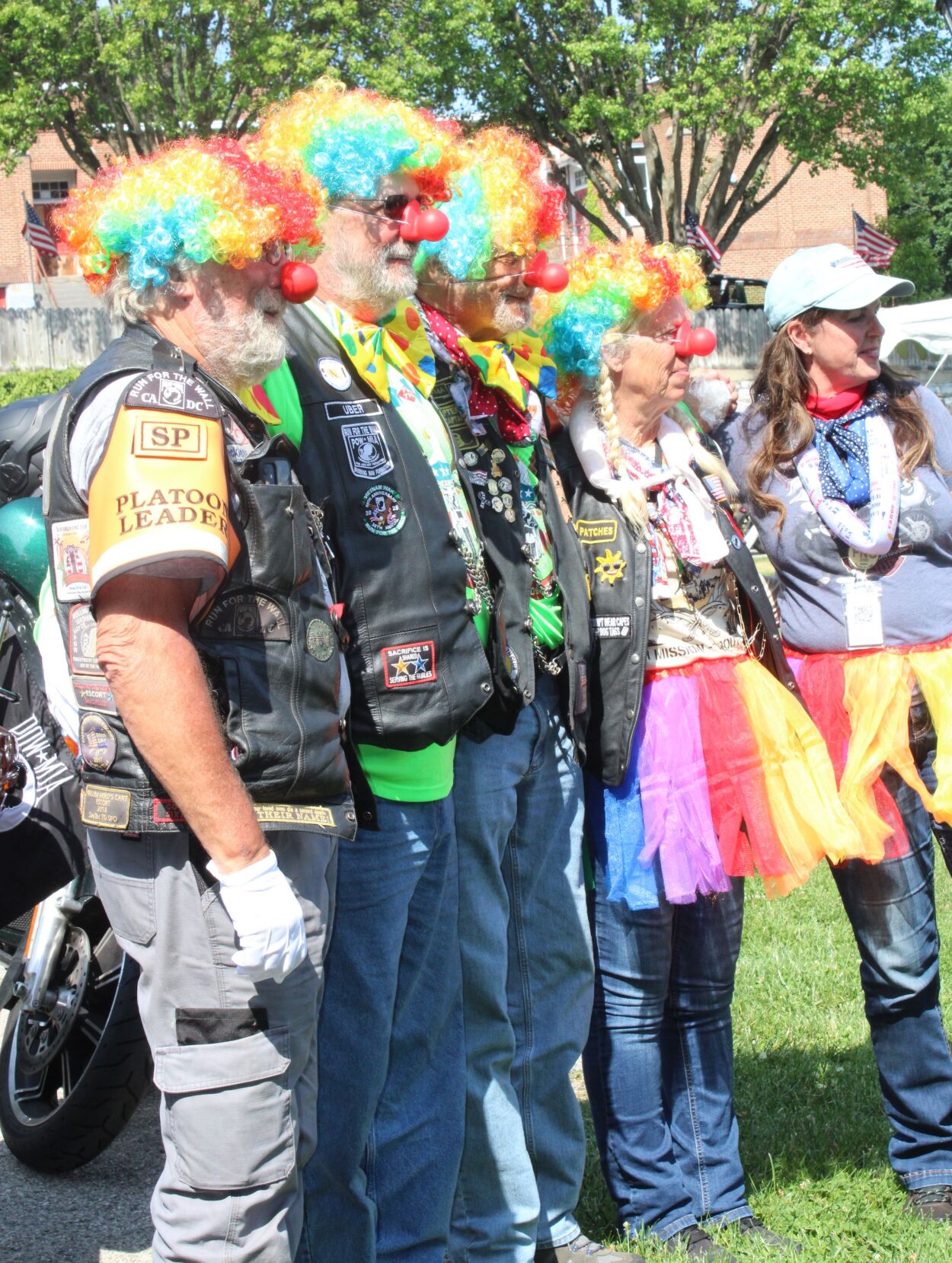
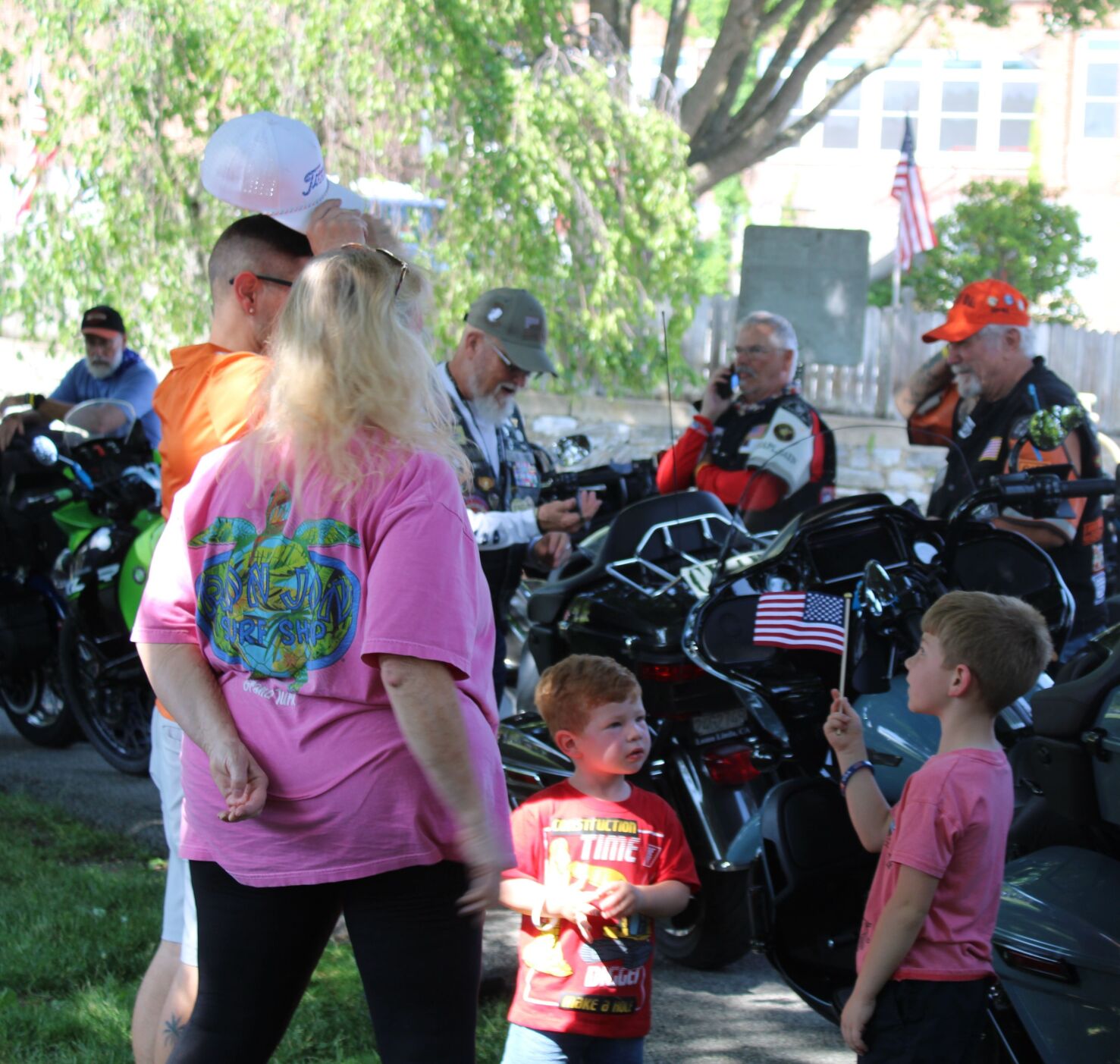
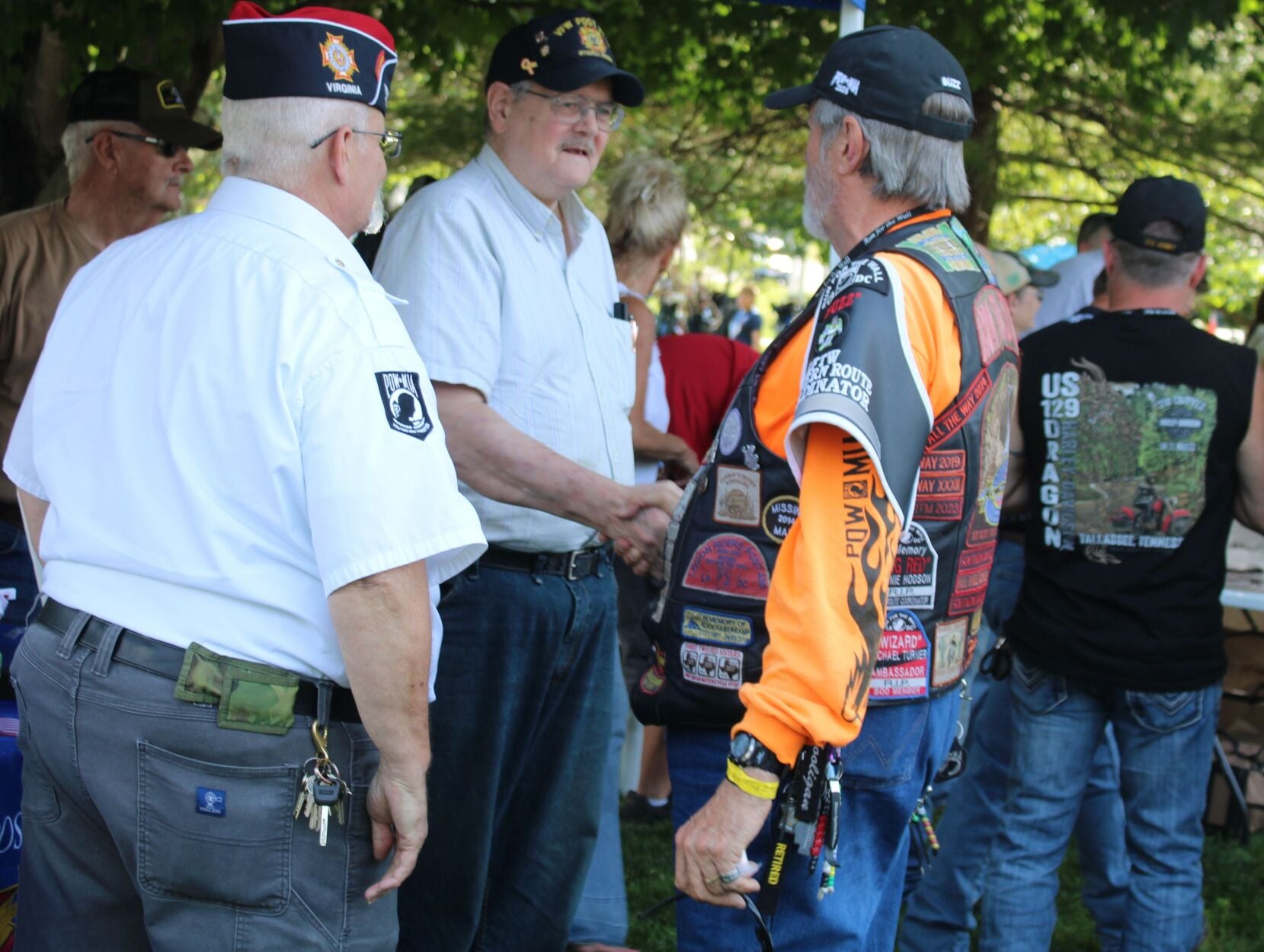
Run For The Wall riders took part in patriotic activities during their annual stop in Wytheville this week.
James “Gunny” Gregory, right, talks with a rider making his first Run For The Wall.
Former Wytheville mayor Trent Crewe, who often rode with Run For The Wall, addressed the gathering Wednesday afternoon.
The moniker “Gunny” was called out and shouted across Withers Park more times than could reasonably be counted Wednesday afternoon. Sometimes, it came from multiple directions at once. Always imbued with respect, the title belonged to one man: James “Gunny” Gregory.
The father of Run For The Wall, Gregory served 20 years, 1968-1989, with the U.S. Marine Corps. Three months after retiring, he launched Run For The Wall.
A Vietnam vet, Gregory explained that he lived in San Diego at the time and wanted to travel to the Vietnam Memorial Wall in Washington, D.C. He knew others wanted to go too and pay their respects. He invited them.
They set out traveling hundreds of miles a day on motorcycles, passing out flyers all along their route. Run For The Wall as born.
2026 marks Run For The Wall’s 36th official year. During the COVID-19 pandemic, Gregory said that official rides didn’t occur, but some riders still made the trek.
The annual ride raises awareness of American military members who never returned home.
Run for the Wall’s mission is to promote healing among all veterans and their families and friends, to call for an accounting of all prisoners of war and those missing in action, to honor the memory of those killed in action from all wars and to support military personnel all over the world – “to ride for those who can’t”.
So many riders now join Run For The Wall that there are three “Coast to Coast” routes. They all start in Ontario, California, and conclude at the Vietnam Veteran’s Memorial Wall. The three routes are the Central Route, the Midway Route and the Southern Route.
The Southern Route is the one that annually brings its riders to Wytheville, a tradition celebrated by the riders and the community.
Citing the proverb “It takes a village,” Gregory said, “Wytheville is our village.”
Gregory was sitting on a shaded bench in Withers Park, when he was asked to share the inspiration that motivates him to keep making the Run.
He looked at the crowd, waved his hand to encompass them all, and declared, “This right here – the good people of the United States of America.”
Numerous riders came up to talk to Gregory, all saluting him as Gunny. One was making his first Run, another could tell stories of a laundry mishap that mixed a bra from a well-endowed woman with his clothing, and others who wanted their photos taken with the man who gives them a profound sense of purpose every May.
Asked about how Wytheville came onto the route, Gregory directed questions to Laurie “Airborne” Clay, who has broken lots of glass serving the Run. She became the first female road guard and carries multiple of firsts. She even launched an outreach program.
In 2001, Clay and other representatives visited Wytheville’s tourism headquarters, where they met Rose Lee Jude, the town’s director of public information and tourism.
While other towns hesitated at meeting the needs of hundreds of riders, Clay said Jude made a few calls and brought leaders together.
Wytheville was ready to try.
The Run won the heart of the town’s then mayor, Trent Crewe, who often rode with Run For The Wall and championed their work. He was still doing so this week.
Clay and others remembered being initially stunned by Wytheville’s hospitality, most especially the dinner provided by the Moose Lodge. While other communities usually serve spaghetti, the Moose Lodge served them steak dinners.
Saying Wytheville is one of their favorite places on the Ride, Clay said, “We haven’t stopped coming.”
When Crewe challenged the crowd on Wednesday afternoon, asking how far they’d go. They passionately answered, “All the way.”
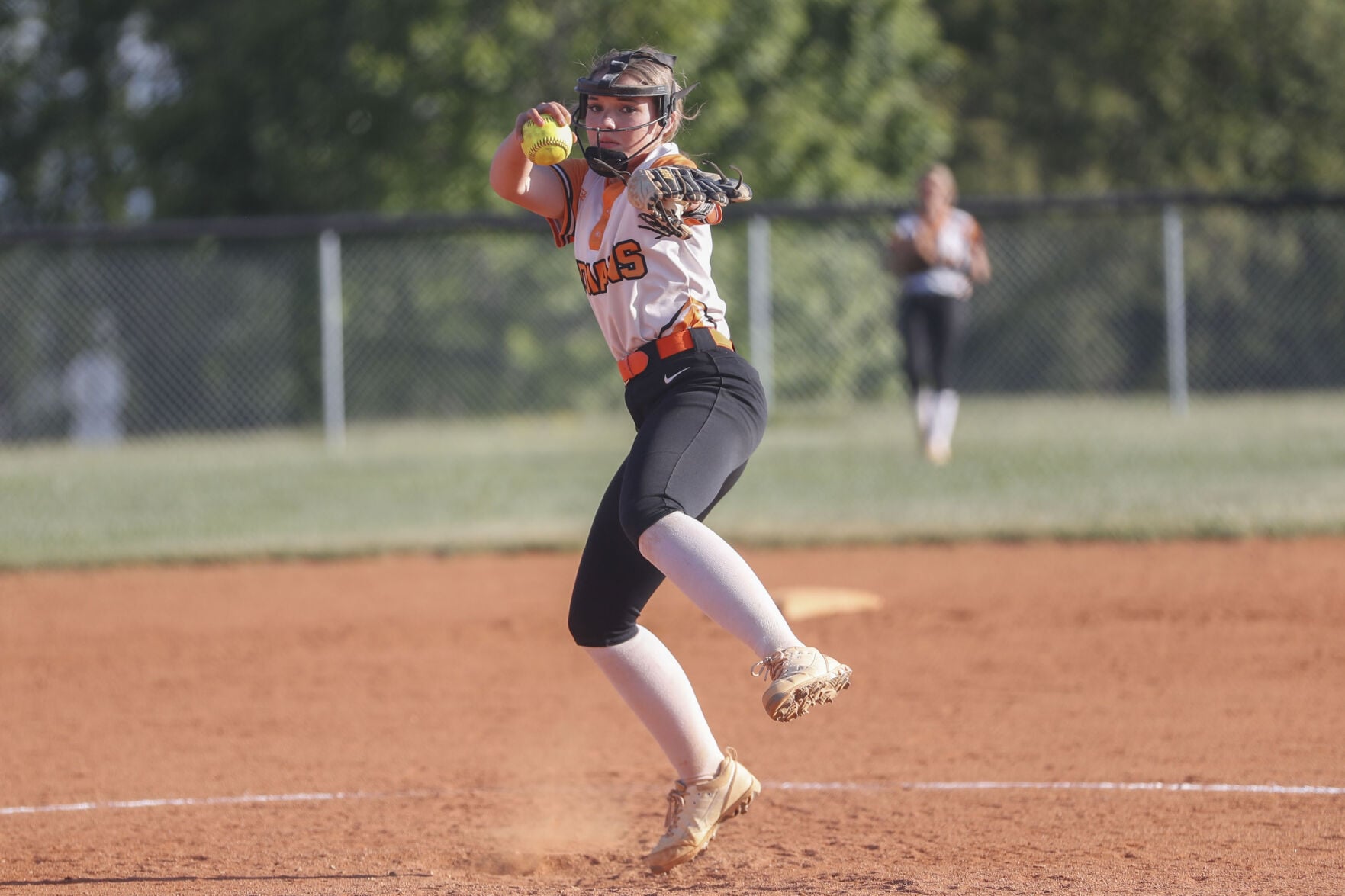
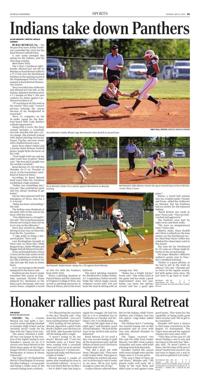
Rural Retreat's Rylee Terry pitches against Northwood on Monday evening.
Rural Retreat's Rylee Terry pitches against Northwood on Monday evening.
The Wythe County Sheriff’s Office joined elite company, becoming one of only five agencies in the nation to secure a new crime scene investigation tool.
The Sheriff’s Office received a $200,000 grant to buy a Super Spectral Force, a mobile forensic imaging device that is equipped with a 200 megapixel camera allowing it to capture biological traces, hidden fingerprints and documents that have been tampered with. The piece of equipment can also detect blood, gunshot residue, bodily fluids and under-the-skin bruising that isn’t visible to the naked eye.
Wythe was the fifth law enforcement agency in the country to deploy the Force.
The Sheriff said that the acquisition will allow investigators to identify evidence that would otherwise gone unnoticed and build stronger cases and better outcomes for victims.
Along with the Super Spectral Force, the funding allows the Sheriff’s Office to get a Contactless Lite, a device used to locate fingerprints on reflective surfaces without disturbing evidence, and a CSI Pro 3 Smartphone device, which can be used to enhance processed fingerprints, detect body fluids and document injuries while in the field.
In the crime lab, there will be an 8K Android Imaging device that can zoom into evidence in extreme detail.
“These tools allow investigators to see what the human eye cannot,” said Sheriff Anthony Cline. “This technology helps us locate evidence that might otherwise be missed, whether it is fingerprints, blood, bodily fluids, gunshot residue, or bruising hidden beneath the skin. In cases involving child abuse, domestic violence, and other violent crimes, that ability can make a critical difference.”
The ability to detect bruising beneath the skin, especially injuries that are not visible externally, is valuable in cases involving child abuse victims and victims of domestic violence.
The sheriff said he hopes to showcase the technology at local schools, sparking interest in law enforcement, forensic science and other related fields.
A Scout project struck a chord in Wytheville.
Earlier this month Paige Wills, as part of an Eagle Scout project constructed a flag retirement box and posted it outside the Wytheville Police Department.
The box was meant to be a place where the public could drop US and Virginia flags that had become worn, faded or tattered to be properly retired during a ceremony by members of Scout Troop 60.
Located outside the Police Department at 185 W. Spring St., the box more than did its job, becoming, according to the department a hot spot for the community.
Officials report that they have had to empty the flag box daily as it was being packed full with flags.
Calling the Eagle project a success, Wytheville police urged the community to keep the flags coming.