

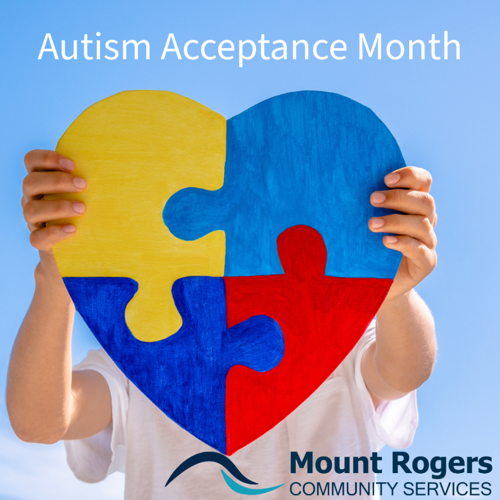

Take time in Autism Acceptance Month to laud the talents, contributions, and diversity within the autism community
Across history, people like Albert Einstein and pop music star Sia have proven that their autism disorder isn’t a defect.
What is autism?
Autism is a neurodevelopmental condition that affects how a person sees the world, communicates, or even interacts with others. It’s also known as autism spectrum disorder (ASD).
“Spectrum” refers to the wide variety of characteristics that a person may exhibit. Traits or qualities vary widely.
A person may experience sensory challenges, differences in social skills, or repetitive behaviors.
ASD can also come with unique strengths. Some people may show stronger attention to detail.
People are also reading…
Others might have advanced memory. Some might pick up expertise in certain subjects. They may even have enhanced creativity and artistic perspectives.
Causes of autism
Autism is not a disease, so it’s not contagious. We don’t understand the exact causes of it.
However, most research points to a mixture of factors that may affect the brain’s development. These include:
- Genetic.
- Environmental.
- Biological.
We don’t have a specific medical test for autism. Instead, professionals base a diagnosis on their observation of behaviors and a review of one’s developmental history.
There is no cure for autism. But support tailored to the person and early intervention may help improve outcomes for those with autism. You can find resources for daily functioning, learning, and social skills at many organizations.
Want to learn about autism services here at Mount Rogers? Call 276-233-9350. Or send an email to: behavior.support@mountrogers.org.
History of month
Autism Acceptance Month started as “Autism Awareness Month” in 1970. Despite efforts to increase awareness, many people with autism still find barriers to inclusion in education, employment, and their community.
This prompted the shift in the name from “awareness” to “acceptance” in 2021. True inclusion means more than awareness. It means action, understanding, and support.
How to participate
- Educate yourself and others.
- Read, learn, and listen to information about autism.
- Listen to others with autism.
- Watch an educational video with your child(ren) to promote understanding.
- Check out the Autism Society’s training resources (https://autismsociety.org/training-resource-center/).
- Be a part of local events.
- Check out upcoming events. (https://www.autismspeaks.org/events)
- Search local Facebook groups, festivals, community awareness events, or fundraisers.
- Organize an activity to promote awareness with friends or the community.
- Volunteer.
- Donate your time to give back to the community.
- Check out local therapy, support, or events that are seeking volunteers.
- Support caregivers.
- Caregivers do the hard work that often goes unnoticed. Offer a listening ear. Help with tasks. Or help with respite care to show support and encouragement.
We can make changes
Autism acceptance is more than just awareness. It’s inclusion, understanding, and advocating.
Don’t view autism as a burden. See it as a unique way of viewing and interacting with the world.
Practice both acceptance and awareness this month. Learn, take part in events, and offer support where you live. Together, we can create more accepting places.
About Mount Rogers Community Services — Mount Rogers is a top provider of community services for mental health, intellectual and developmental disabilities, and substance use disorders in southwest Virginia. We also offer geriatric, counseling, early intervention, and other services in Galax and the counties of Bland, Carroll, Smyth, and Wythe.


