
Even though some doubts have been raised about its effectiveness, the U.S. Census Bureau is trying out whether to use U.S. postal carriers as census takers this spring during a test of the 2030 head count in two southern cities — a practice run already facing criticism over last-minute changes by the Trump administration.

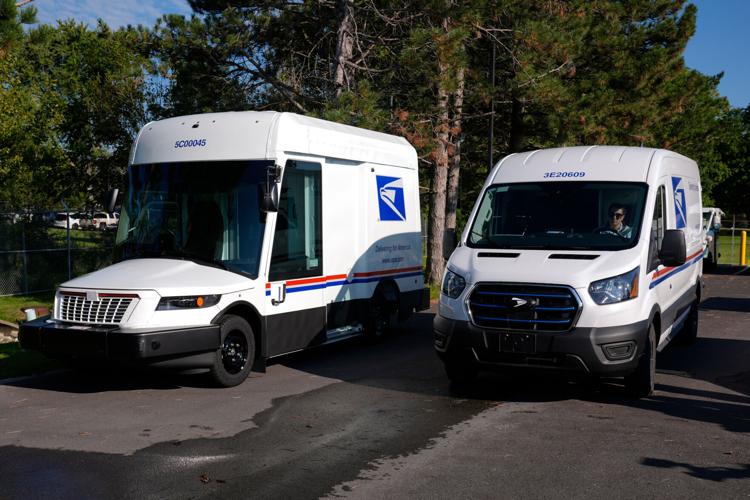
The U.S. Postal Service's next-generation delivery vehicle, left, is displayed as one new battery electric delivery truck leaves the Kokomo Sorting and Delivery Center in Kokomo, Ind., on Aug. 29, 2024.
Michael Conroy, Associated PressPeople are also reading…
- New attorney is representing Wolfe as case moves forward
- Top Smyth DAR essay wins state competition
- Work on Exit 39 truck stop expected to move more quickly now
- Royal Oak DAR names 3 high school seniors as Good Citizens
- Along the Yellow Brick Road
- Marion council members debate apolitical status with redistricting, 2A requests
- Roanoke County family files lawsuit against VHSL, school board over homeschool sports rule
- Smyth supervisor seeks more communication from Thomas Bridge Water system
- Chilhowie man faces multiple charges in domestic violence incident
- Atkins Elementary celebrates new community-engaged playground
- Spanberger signs 22 bills, including one concerning pharmacy benefit managers
- Blacksburg elementary principal among 17 men arrested in prostitution case
- Judge orders Trump to halt White House ballroom construction unless Congress OKs it
- Child dies in drowning in Virginia Beach Oceanfront hotel pool
- Data centers now on defensive after Virginia court ruling, budget fight

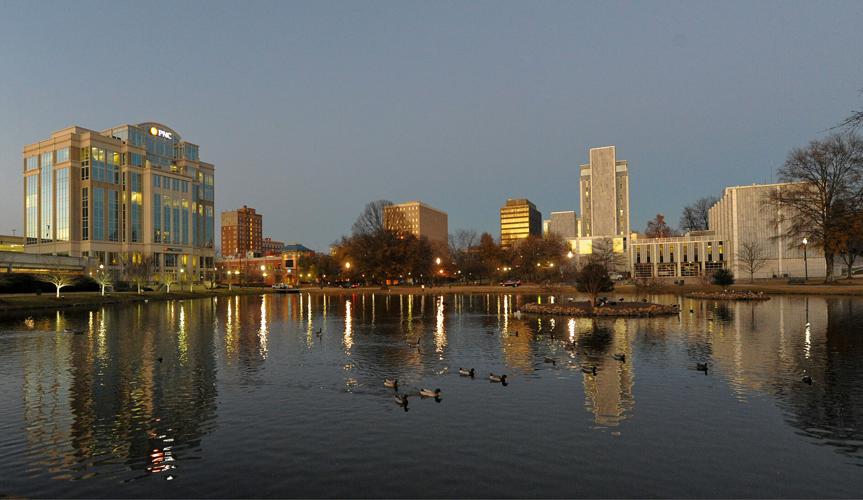
This undated photo shows a dusk view of the downtown Huntsville skyline at Big Spring International Park, Ala.
Bob Gathany, The Huntsville Times
- SUSAN HAIGH Associated Press

- CLAIRE RUSH Associated Press

- Trevor Hughes USA TODAY
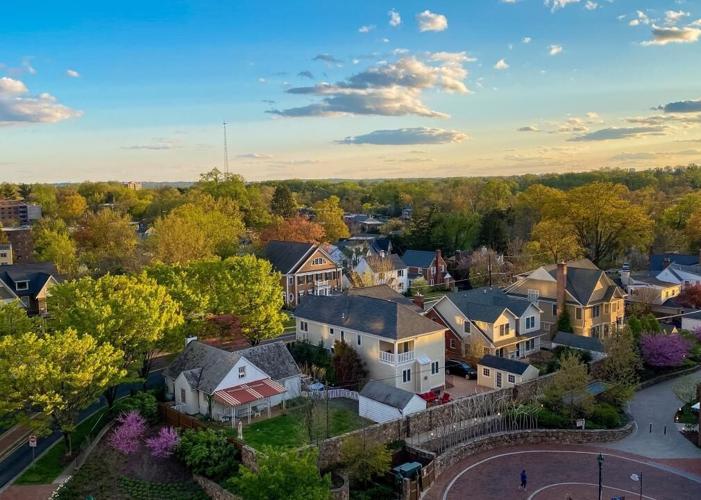
Many Americans who have bid farewell to the workforce or are thinking about it are turning to places that offer affordability, a strong economy, quality health care options, less traffic, and overall, more comfort. Neighborhoods outside major cities and metropolitan areas have grown in popularity among retirees, with 26% moving to smaller towns, but the overall number of people moving for retirement is down.
In 2021, American retirement relocations dropped significantly—approximately 43% less than the previous year, its lowest number of retiree relocations in five years. The Economic Research Federal Reserve Bank of St. Louis suggests this was a result of the ongoing COVID-19 pandemic, soaring home prices, and retirees not having enough savings.
- Nicole Glass Photography // Shutterstock

- Population: 4,105 (16% age 55-64 and 40% age 65+)
- Homeowners: 82% of the population
- MiNiProduction // Shutterstock
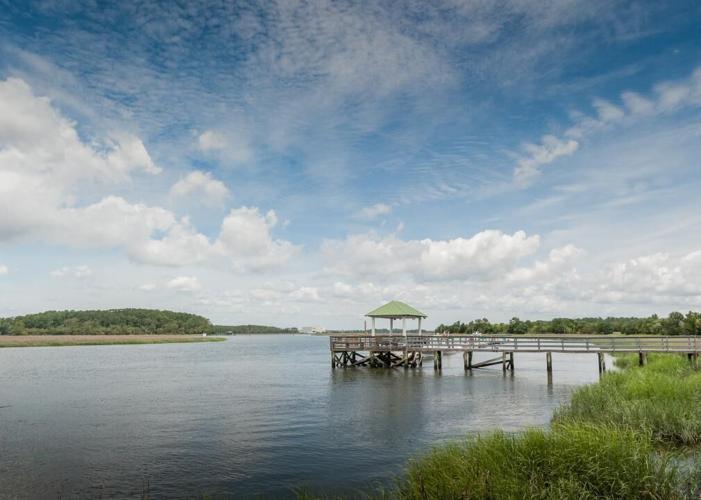
- Population: 1,162 (17% age 55-64 and 28% age 65+)
- Homeowners: 100% of the population
- Diana Daley // Shutterstock
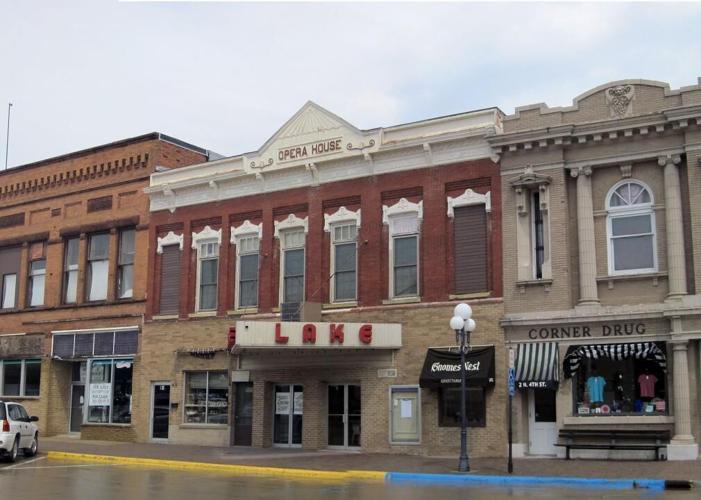
- Population: 7,597 (18% age 55-64 and 25% age 65+)
- Homeowners: 72% of the population
- Billwhittaker // Wikimedia Commons
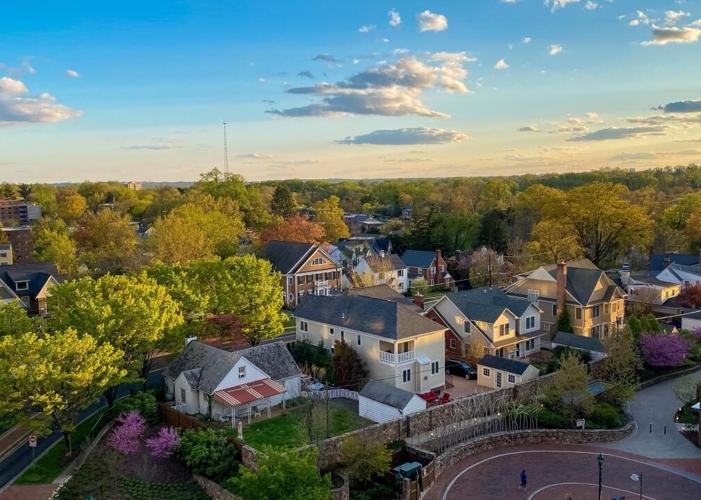
- Population: 9,622 (15% age 55-64 and 23% age 65+)
- Homeowners: 78% of the population
- Nicole Glass Photography // Shutterstock

- Population: 11,077 (15% age 55-64 and 30% age 65+)
- Homeowners: 85% of the population
- Amy Kerkemeyer // Shutterstock
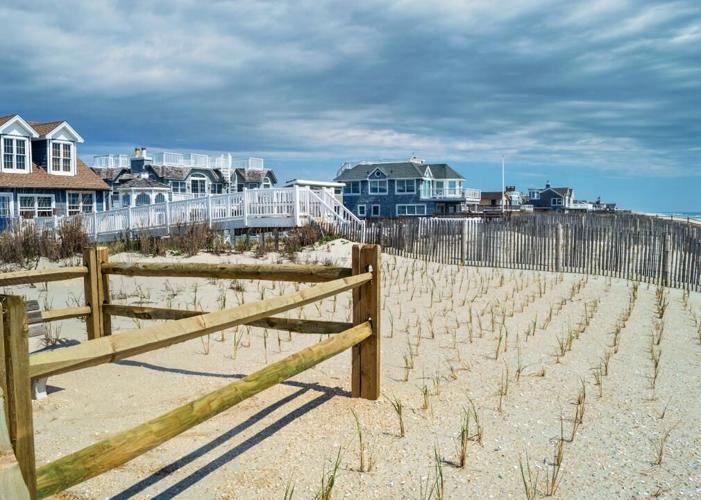
- Population: 1,271 (23% age 55-64 and 50% age 65+)
- Homeowners: 86% of the population
- Andrew F. Kazmierski // Shutterstock
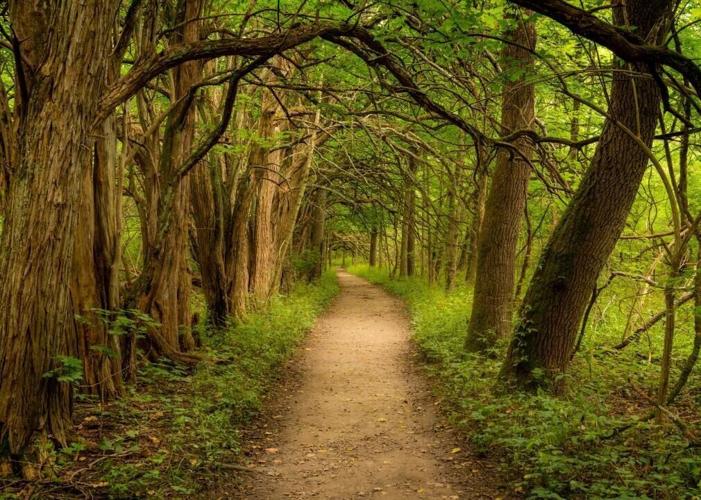
- Population: 7,212 (16% age 55-64 and 19% age 65+)
- Homeowners: 81% of the population
- arthurgphotography // Shutterstock
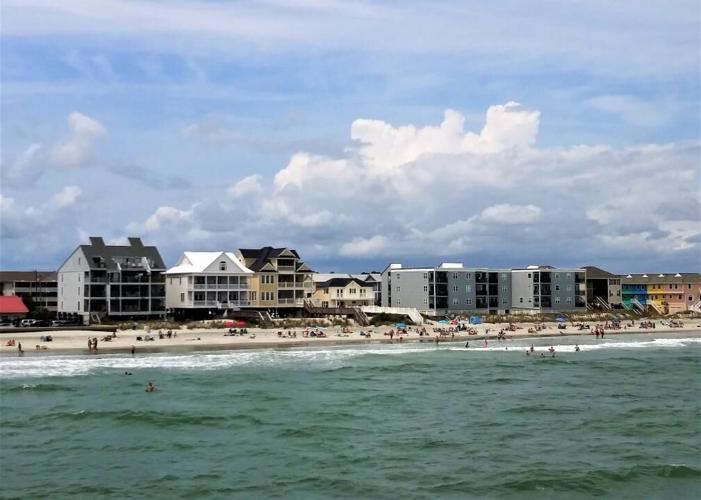
- Population: 10,669 (20% age 55-64 and 40% age 65+)
- Homeowners: 79% of the population
- bsankow // Shutterstock
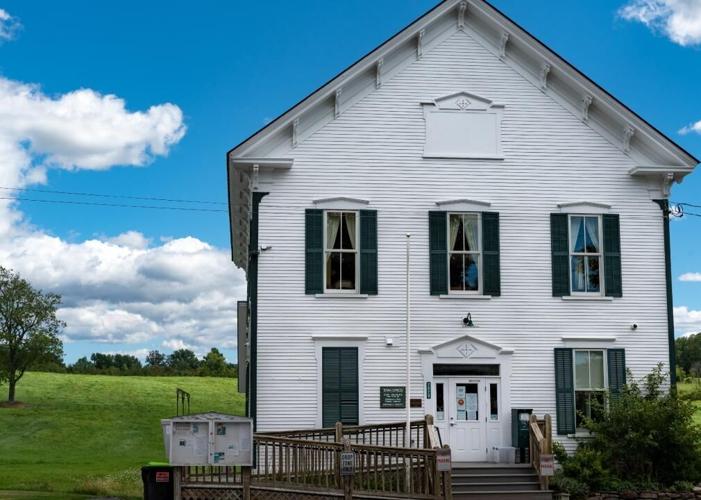
- Population: 1,028 (18% age 55-64 and 29% age 65+)
- Homeowners: 77% of the population
- Bob LoCicero // Shutterstock
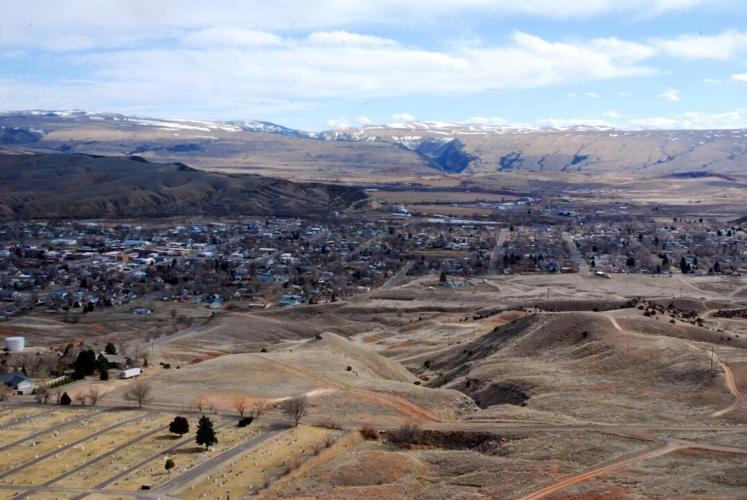
- Population: 2,703 (14% age 55-64 and 26% age 65+)
- Homeowners: 77% of the population
- Jonathan Green // Wikimedia Commons
Best small towns for retirees in every state

Best small towns for retirees in every state
Many Americans who have bid farewell to the workforce or are thinking about it are turning to places that offer affordability, a strong economy, quality health care options, less traffic, and overall, more comfort. Neighborhoods outside major cities and metropolitan areas have grown in popularity among retirees, with 26% moving to smaller towns, but the overall number of people moving for retirement is down.
In 2021, American retirement relocations dropped significantly—approximately 43% less than the previous year, its lowest number of retiree relocations in five years. The Economic Research Federal Reserve Bank of St. Louis suggests this was a result of the ongoing COVID-19 pandemic, soaring home prices, and retirees not having enough savings.
- Nicole Glass Photography // Shutterstock
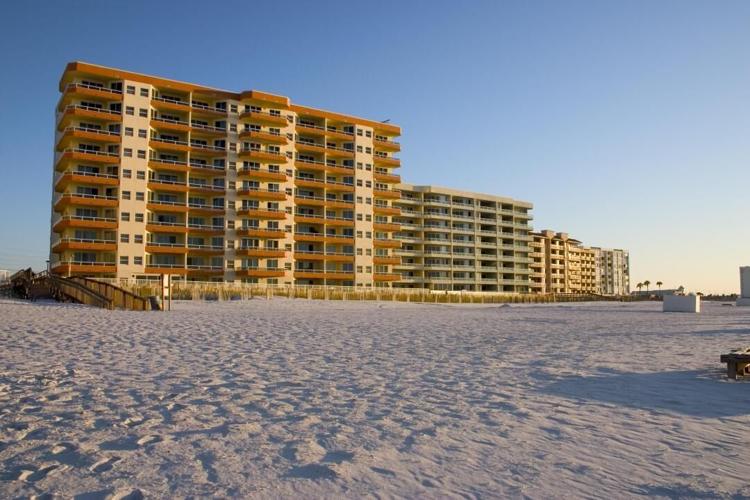
- Population: 6,019 (19% age 55-64 and 34% age 65+)
- Homeowners: 70% of the population
- Chris Watson // Wikimedia Commons
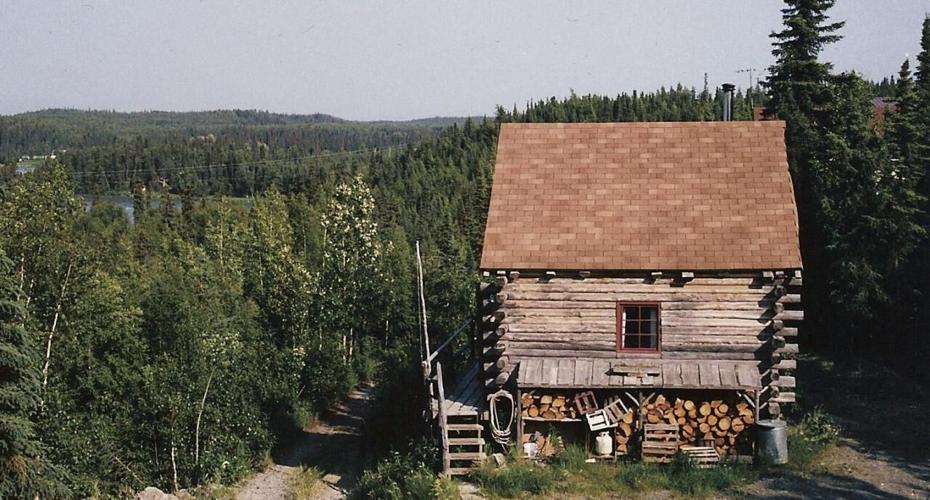
- Population: 4,649 (13% age 55-64 and 20% age 65+)
- Homeowners: 51% of the population
- Brian A. Ridder // Wikimedia Commons
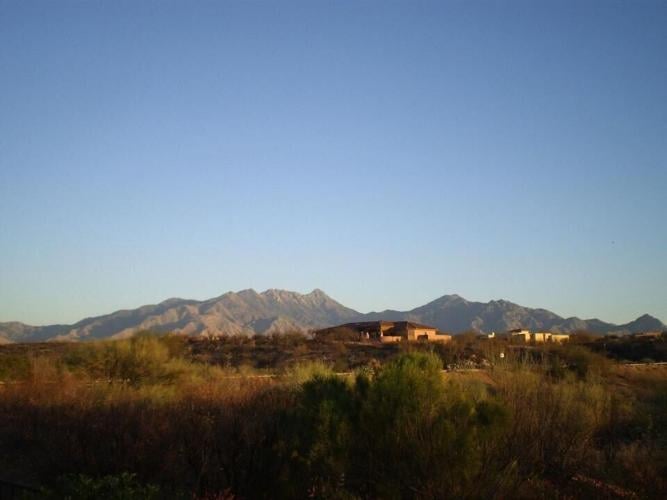
- Population: 20,902 (14% age 55-64 and 80% age 65+)
- Homeowners: 85% of the population
- James Brooks // Wikimedia Commons
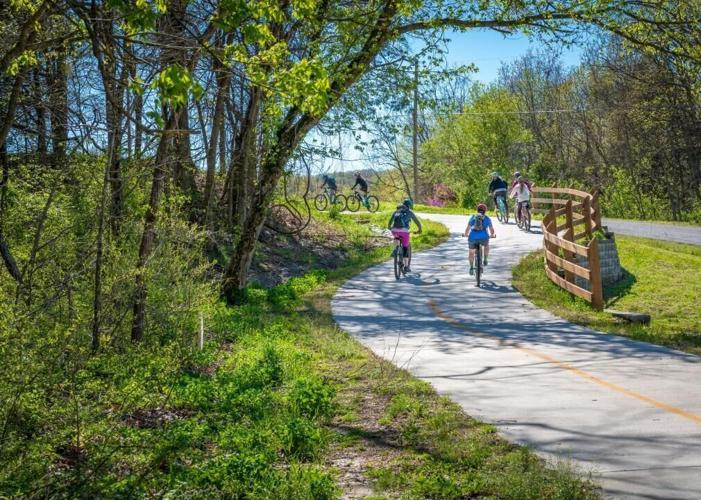
- Population: 28,539 (14% age 55-64 and 33% age 65+)
- Homeowners: 87% of the population
- shuttersv // Shutterstock
- Population: 4,105 (16% age 55-64 and 40% age 65+)
- Homeowners: 82% of the population
- MiNiProduction // Shutterstock
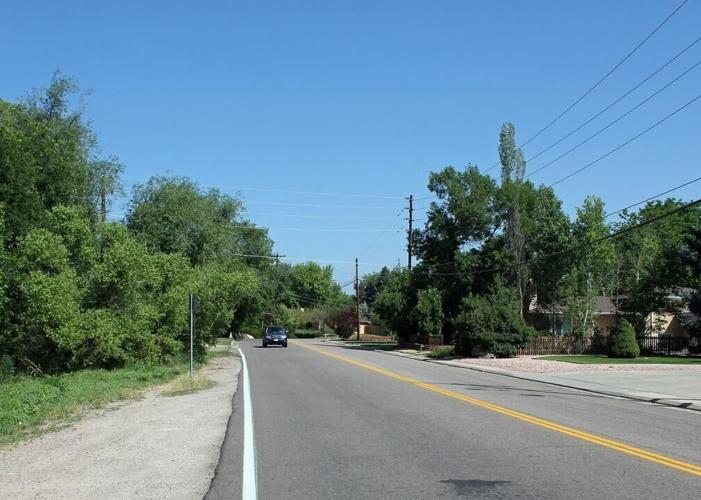
- Population: 2,835 (15% age 55-64 and 21% age 65+)
- Homeowners: 97% of the population
- Jeffrey Beall // Shutterstock
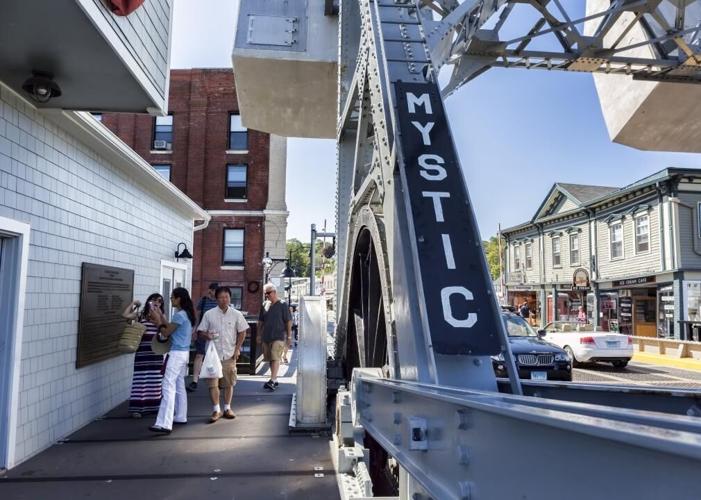
- Population: 4,249 (17% age 55-64 and 32% age 65+)
- Homeowners: 68% of the population
- Paul Latham // Shutterstock
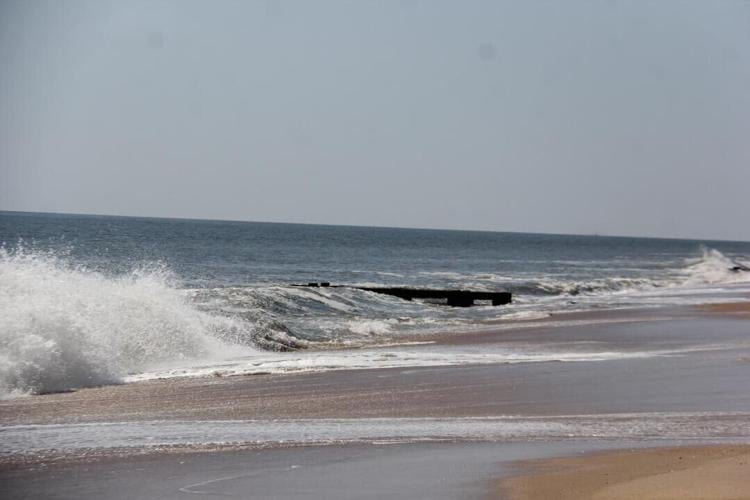
- Population: 1,400 (24% age 55-64 and 48% age 65+)
- Homeowners: 82% of the population
- Ron Shawley // Wikimedia Commons
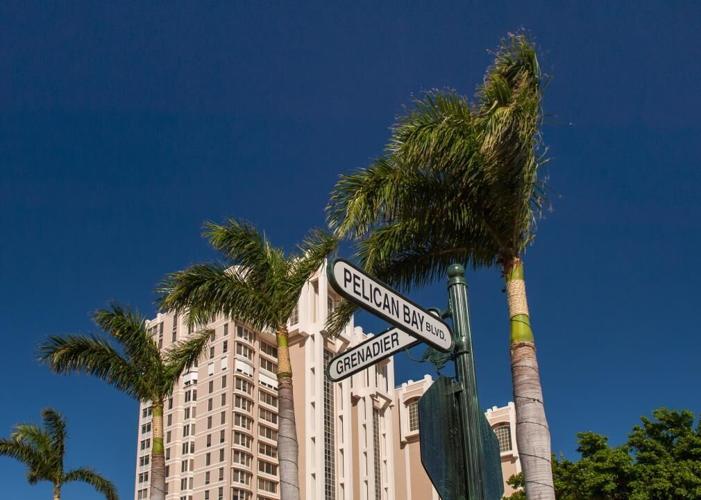
- Population: 6,140 (13% age 55-64 and 83% age 65+)
- Homeowners: 95% of the population
- FloridaStock // Shutterstock
- Population: 1,162 (17% age 55-64 and 28% age 65+)
- Homeowners: 100% of the population
- Diana Daley // Shutterstock

- Population: 6,218 (23% age 55-64 and 25% age 65+)
- Homeowners: 60% of the population
- Elena_Suvorova // Shutterstock
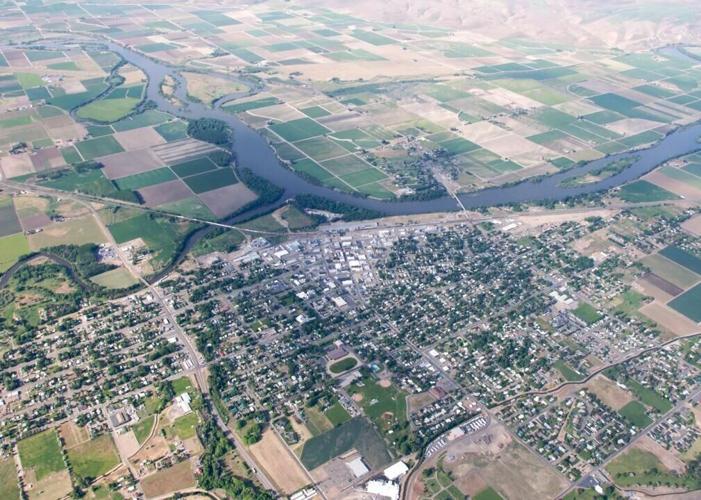
- Population: 5,323 (14% age 55-64 and 20% age 65+)
- Homeowners: 62% of the population
- Sam Beebe // Wikimedia Commons
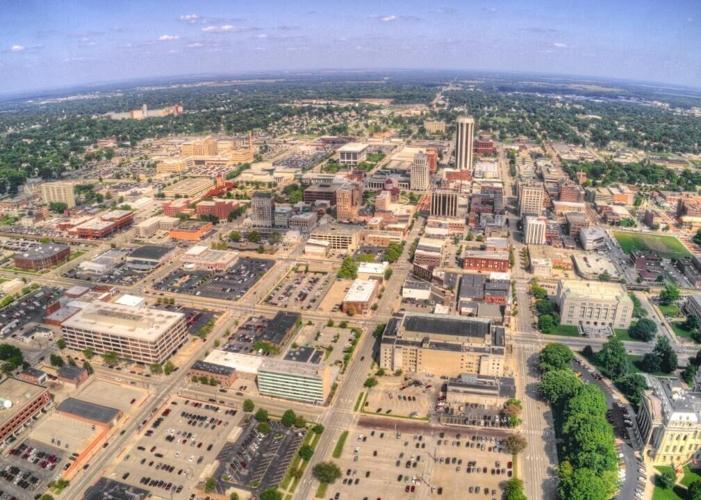
- Population: 1,406 (17% age 55-64 and 34% age 65+)
- Homeowners: 95% of the population
- Jacob Boomsma // Shutterstock
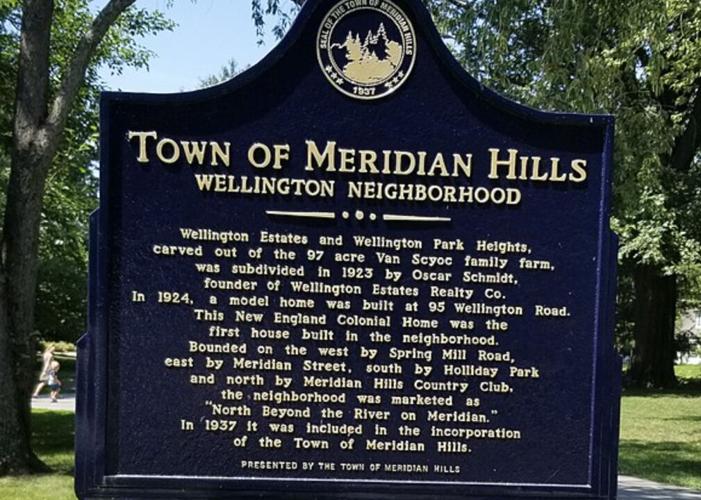
- Population: 1,741 (15% age 55-64 and 18% age 65+)
- Homeowners: 98% of the population
- ONUnicorn // Wikimedia Commons
- Population: 7,597 (18% age 55-64 and 25% age 65+)
- Homeowners: 72% of the population
- Billwhittaker // Wikimedia Commons
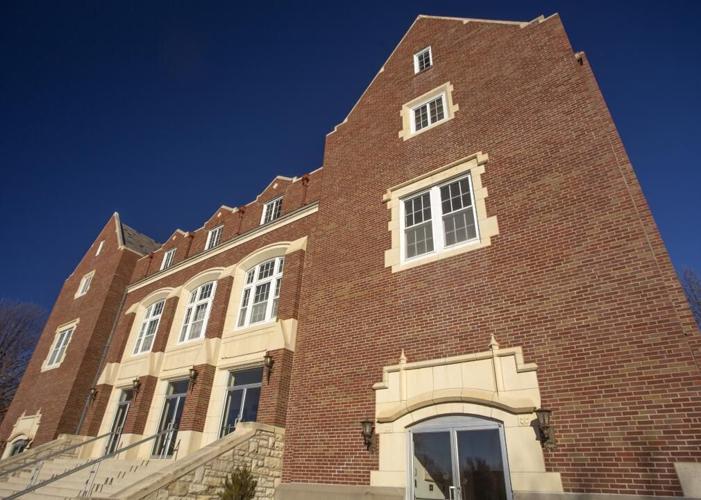
- Population: 1,778 (10% age 55-64 and 30% age 65+)
- Homeowners: 57% of the population
- Weldon Schloneger // Shutterstock
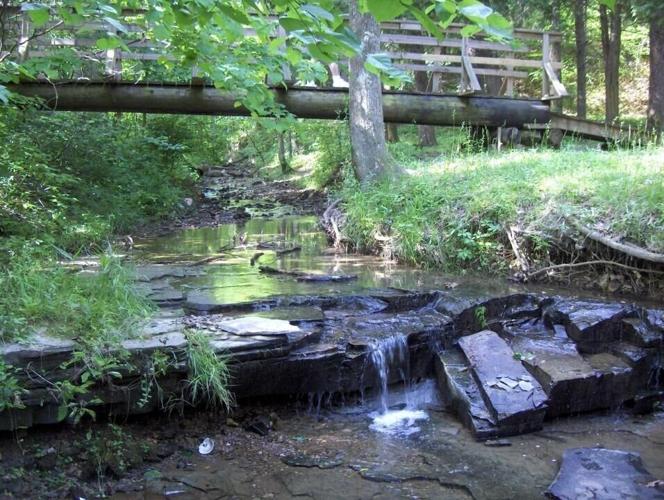
- Population: 2,433 (19% age 55-64 and 33% age 65+)
- Homeowners: 94% of the population
- John Knouse // Wikimedia Commons
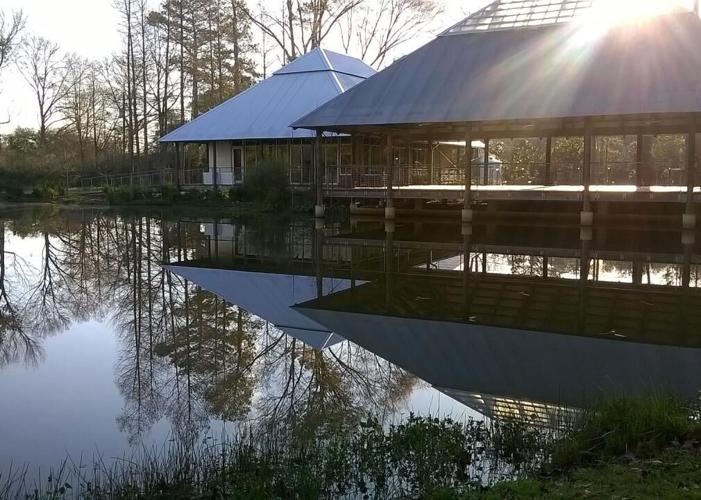
- Population: 2,760 (11% age 55-64 and 22% age 65+)
- Homeowners: 71% of the population
- H.dryad // Wikimedia Commons
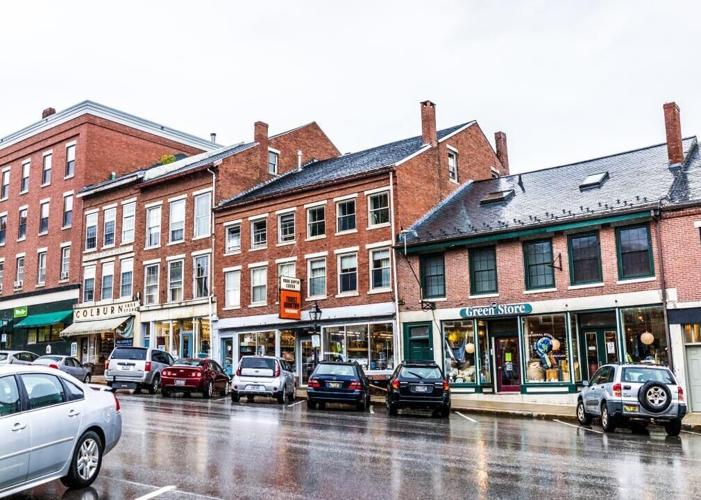
- Population: 6,688 (17% age 55-64 and 26% age 65+)
- Homeowners: 63% of the population
- Kristi Blokhin // Shutterstock
- Population: 9,622 (15% age 55-64 and 23% age 65+)
- Homeowners: 78% of the population
- Nicole Glass Photography // Shutterstock
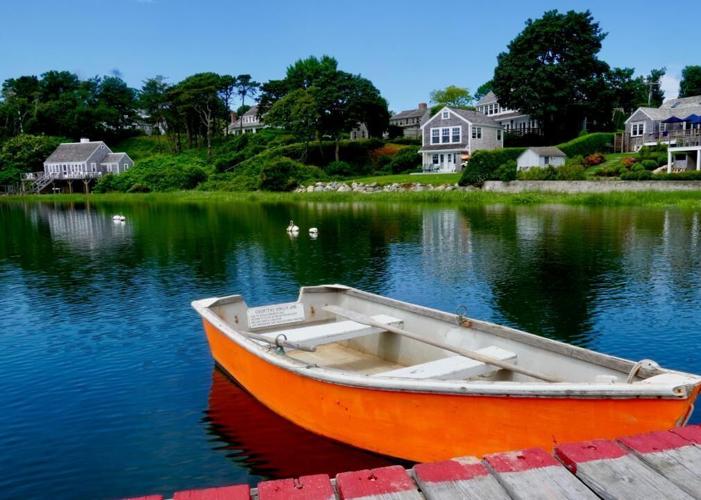
- Population: 6,019 (18% age 55-64 and 45% age 65+)
- Homeowners: 84% of the population
- J.A. Johnson // Shutterstock
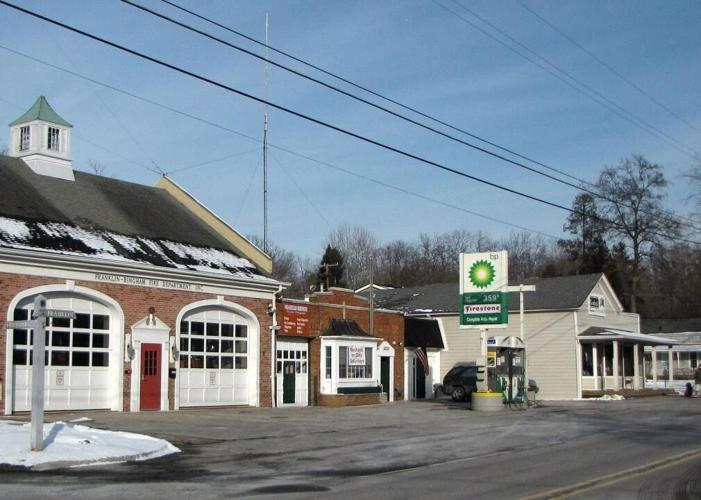
- Population: 1,129 (16% age 55-64 and 48% age 65+)
- Homeowners: 89% of the population
- Traveler100 // Wikimedia Commons
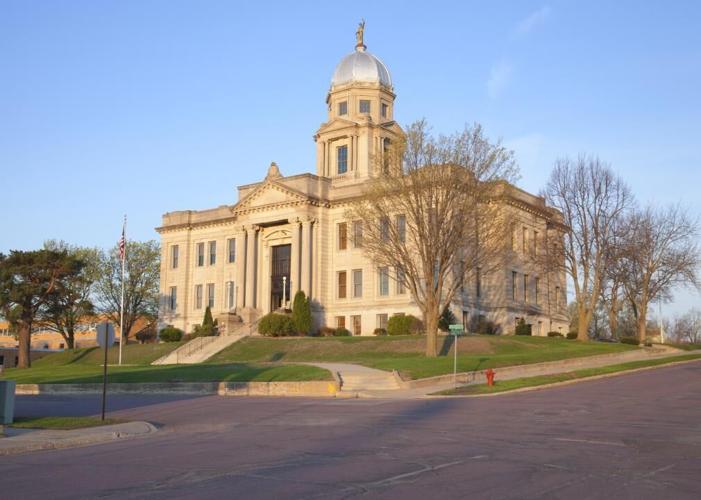
- Population: 3,219 (18% age 55-64 and 24% age 65+)
- Homeowners: 75% of the population
- Dan Thornberg // Shutterstock

- Population: 2,392 (17% age 55-64 and 28% age 65+)
- Homeowners: 87% of the population
- Aaron Manning // Wikimedia Commons
- Population: 11,077 (15% age 55-64 and 30% age 65+)
- Homeowners: 85% of the population
- Amy Kerkemeyer // Shutterstock
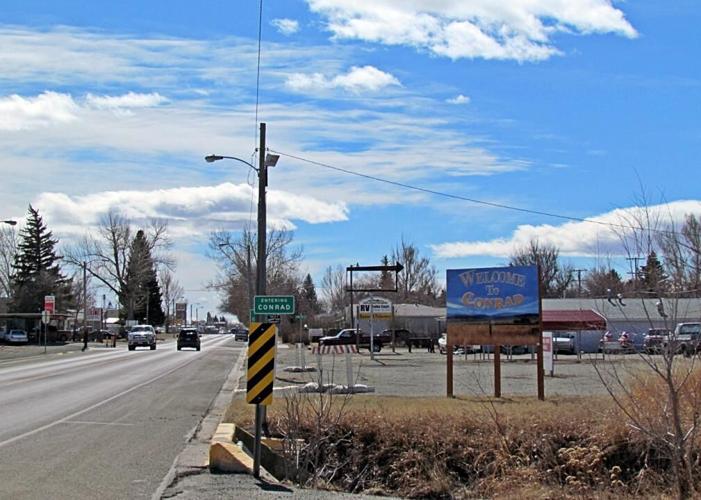
- Population: 2,633 (15% age 55-64 and 21% age 65+)
- Homeowners: 73% of the population
- 5of7 // Wikimedia Commons
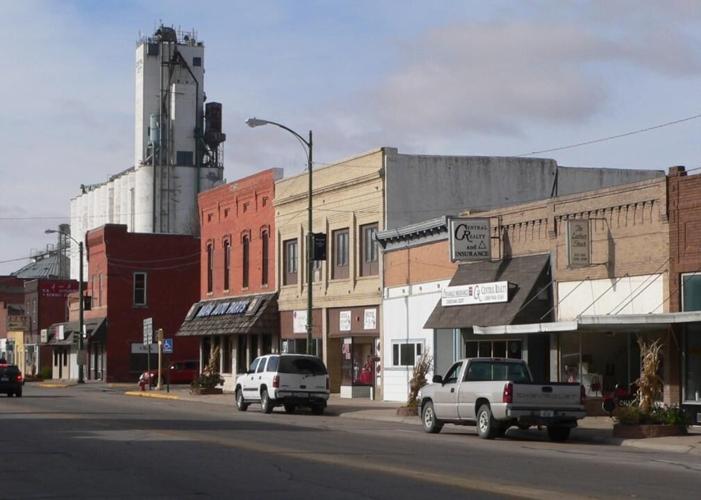
- Population: 2,903 (10% age 55-64 and 25% age 65+)
- Homeowners: 60% of the population
- Ammodramus // Wikimedia Commons
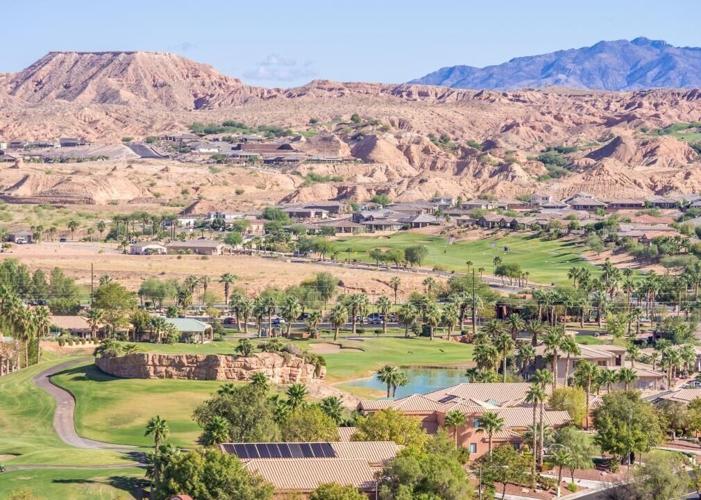
- Population: 18,446 (15% age 55-64 and 41% age 65+)
- Homeowners: 73% of the population
- Steve Lagreca // Shutterstock
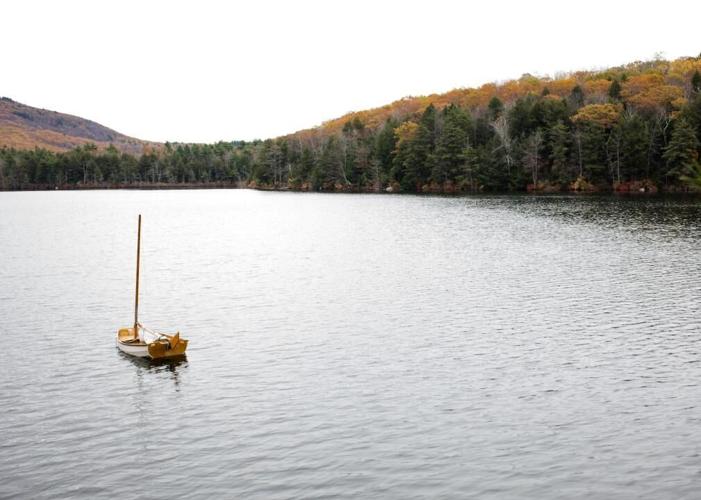
- Population: 6,604 (18% age 55-64 and 27% age 65+)
- Homeowners: 67% of the population
- M.Bailey // Shutterstock
- Population: 1,271 (23% age 55-64 and 50% age 65+)
- Homeowners: 86% of the population
- Andrew F. Kazmierski // Shutterstock
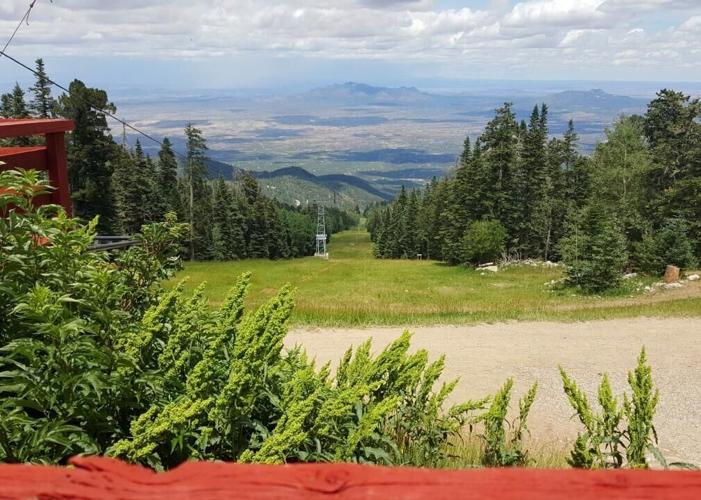
- Population: 3,571 (17% age 55-64 and 44% age 65+)
- Homeowners: 97% of the population
- Karl Cox // Shutterstock
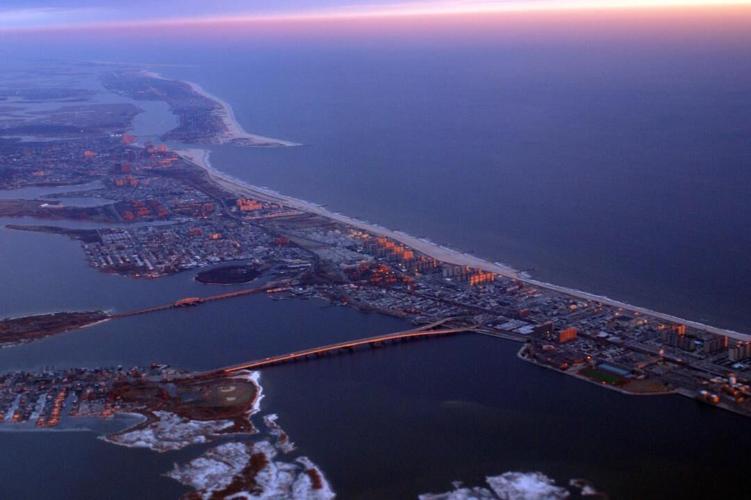
- Population: 3,119 (12% age 55-64 and 31% age 65+)
- Homeowners: 100% of the population
- Eric Salard // Wikimedia Commons
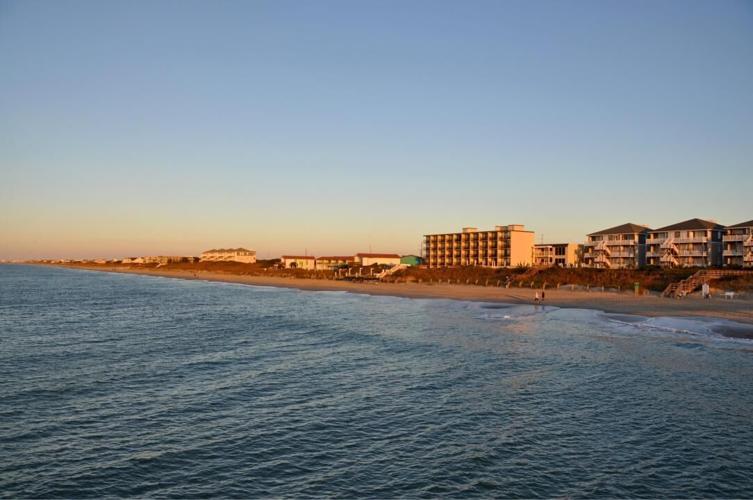
- Population: 1,343 (22% age 55-64 and 47% age 65+)
- Homeowners: 89% of the population
- James Willamor // Wikimedia Commons
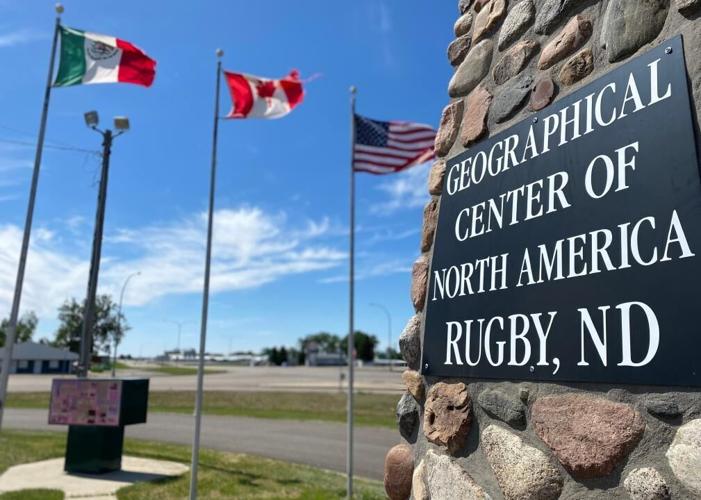
- Population: 2,724 (15% age 55-64 and 29% age 65+)
- Homeowners: 71% of the population
- Tim Samuelson // Shutterstock
- Population: 7,212 (16% age 55-64 and 19% age 65+)
- Homeowners: 81% of the population
- arthurgphotography // Shutterstock
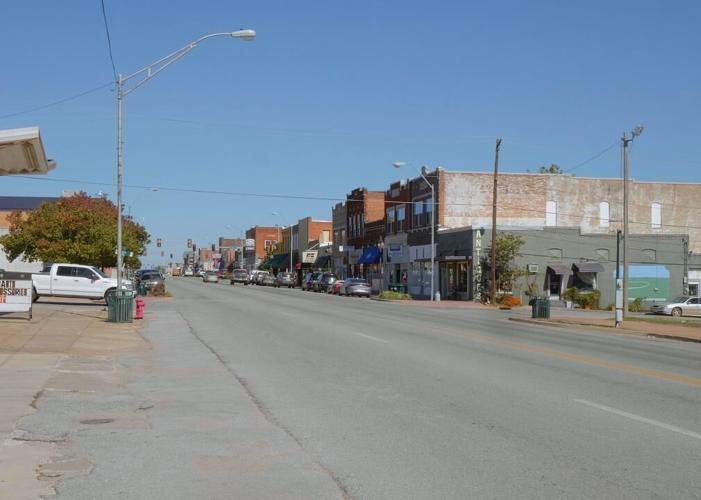
- Population: 9,452 (11% age 55-64 and 18% age 65+)
- Homeowners: 67% of the population
- 4kclips // Shutterstock

- Population: 1,958 (15% age 55-64 and 71% age 65+)
- Homeowners: 84% of the population
- Cary Bass // Wikimedia Commons
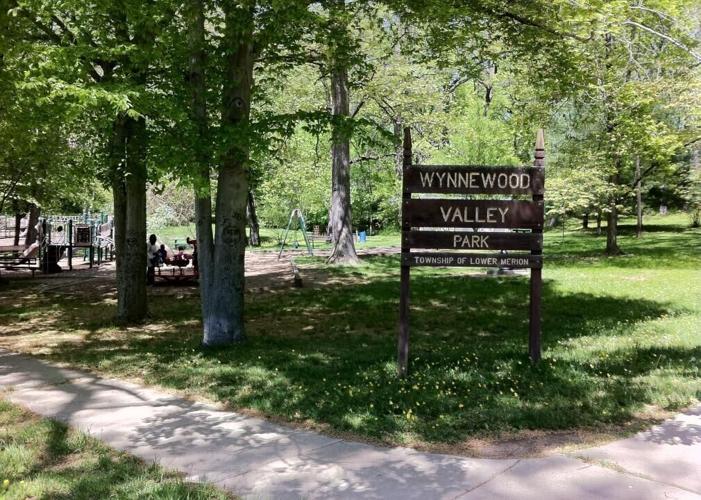
- Population: 5,932 (15% age 55-64 and 26% age 65+)
- Homeowners: 87% of the population
- ifly6 // Wikimedia Commons
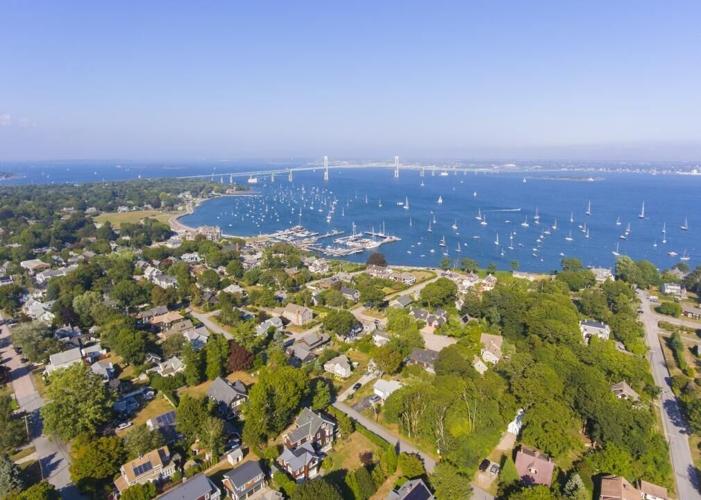
- Population: 5,494 (19% age 55-64 and 26% age 65+)
- Homeowners: 83% of the population
- Wangkun Jia // Shutterstock
- Population: 10,669 (20% age 55-64 and 40% age 65+)
- Homeowners: 79% of the population
- bsankow // Shutterstock
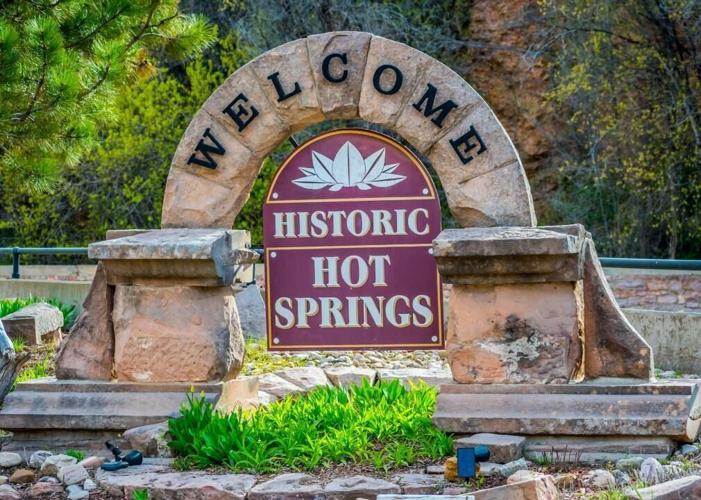
- Population: 3,509 (17% age 55-64 and 28% age 65+)
- Homeowners: 68% of the population
- Cheri Alguire // Shutterstock
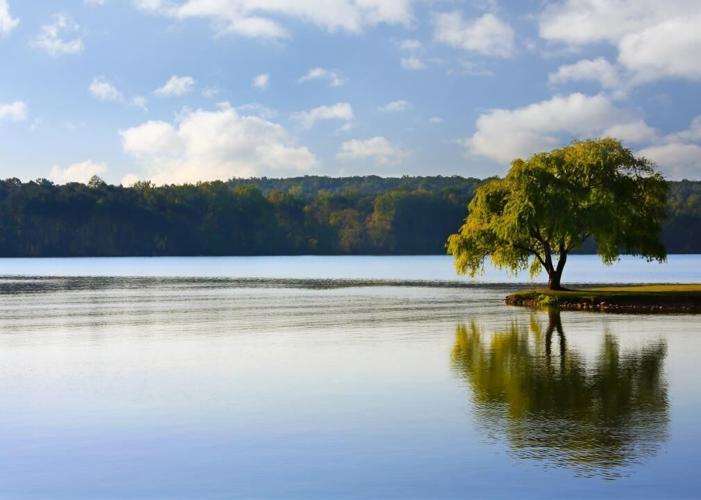
- Population: 22,631 (16% age 55-64 and 23% age 65+)
- Homeowners: 89% of the population
- Melinda Fawver // Shutterstock
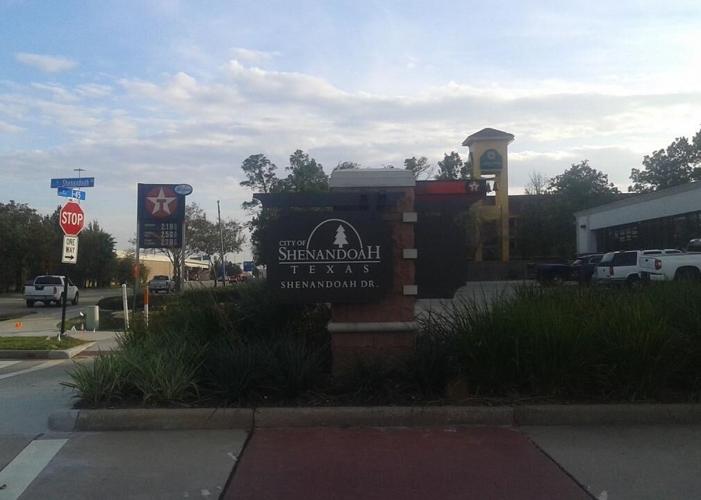
- Population: 2,887 (10% age 55-64 and 40% age 65+)
- Homeowners: 55% of the population
- Stedil // Wikimedia Commons

- Population: 8,530 (14% age 55-64 and 30% age 65+)
- Homeowners: 83% of the population
- Kit Leong // Shutterstock
- Population: 1,028 (18% age 55-64 and 29% age 65+)
- Homeowners: 77% of the population
- Bob LoCicero // Shutterstock
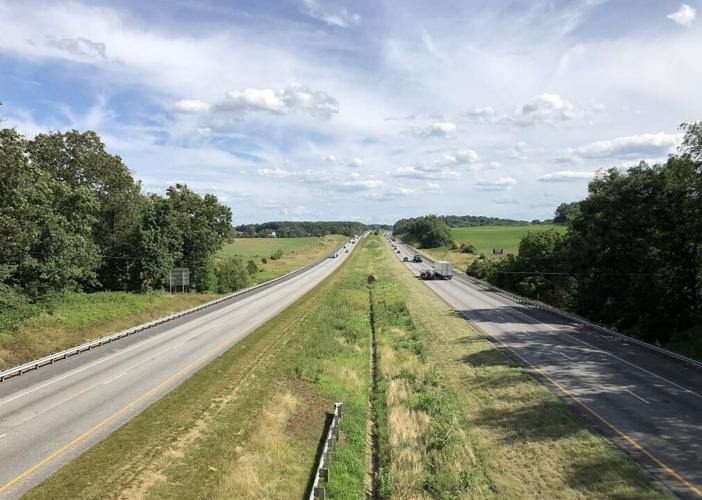
- Population: 1,226 (13% age 55-64 and 34% age 65+)
- Homeowners: 100% of the population
- Famartin // Wikimedia Commons
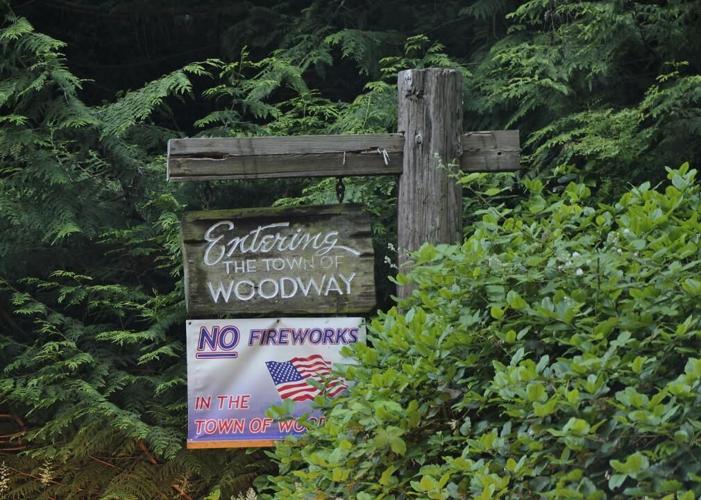
- Population: 1,105 (13% age 55-64 and 23% age 65+)
- Homeowners: 97% of the population
- SounderBruce // Wikimedia Commons

- Population: 3,368 (20% age 55-64 and 28% age 65+)
- Homeowners: 69% of the population
- Malachi Jacobs // Shutterstock
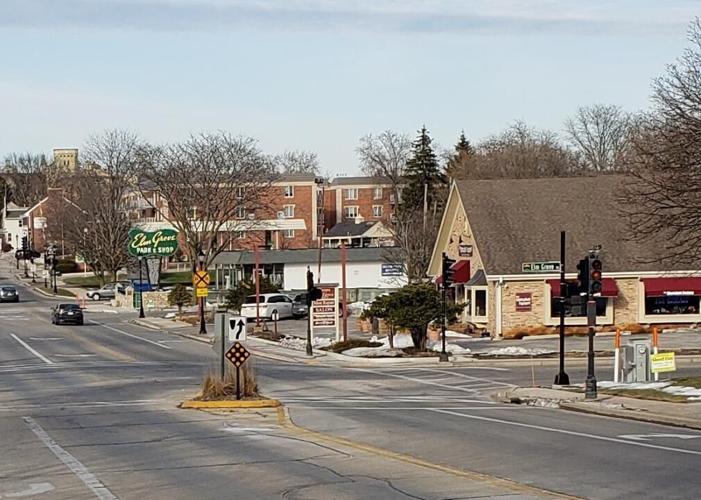
- Population: 6,153 (14% age 55-64 and 25% age 65+)
- Homeowners: 93% of the population
- Porterhse // Wikimedia Commons
- Population: 2,703 (14% age 55-64 and 26% age 65+)
- Homeowners: 77% of the population
- Jonathan Green // Wikimedia Commons

Cheerful couple walking on pedestrian street.
- Rido // Shutterstock