
Adult Education Connection for week of May 20
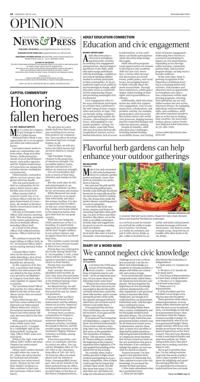
Adult education plays a vital role in strengthening democratic societies by fostering civic engagement among learners. Beyond improving literacy or job skills, adult education equips individuals with the knowledge, confidence, and critical thinking abilities needed to actively participate in their communities. In an era marked by rapid social, political, and technological change, adult education serves as a powerful tool for empowering citizens and promoting meaningful civic involvement.
Civic engagement refers to the ways individuals participate in activities that contribute to the well-being of their communities and society at large. This can include voting, volunteering, participating in public discussions, advocating for social issues, and engaging in community problem-solving. For many adults, especially those who may have been historically marginalized, barriers such as limited education, lack of access to information, or low confidence can hinder participation. Adult education helps bridge these gaps.
Adult education programs create opportunities for learners to develop not only academic skills but also civic awareness. Courses often incorporate discussions on current events, public policy, and social issues, encouraging learners to think critically about the world around them. Through these experiences, adults gain a deeper understanding of their rights and responsibilities as citizens.
Additionally, adult education fosters key skills that support civic engagement, such as communication, collaboration, and problem-solving. For example, group projects and classroom discussions mirror real-world civic processes, helping learners practice respectful dialogue and collective decision-making.
Despite its benefits, adult education faces challenges, including limited funding, accessibility issues, and varying levels of learner engagement. Addressing these barriers is essential to maximizing its impact on civic participation. Expanding access through online learning, community partnerships, and inclusive program design can help reach a broader audience.
At the same time, there is growing recognition of the importance of lifelong learning in sustaining democratic societies. Policymakers and educators have an opportunity to strengthen civic education components within adult learning programs, ensuring that individuals are not only skilled workers but also active, informed citizens. By equipping individuals with knowledge, skills, and confidence, adult education empowers people to take an active role in shaping their societies. For more information, please contact Southwest Regional Adult Education at 276-889-5424.