
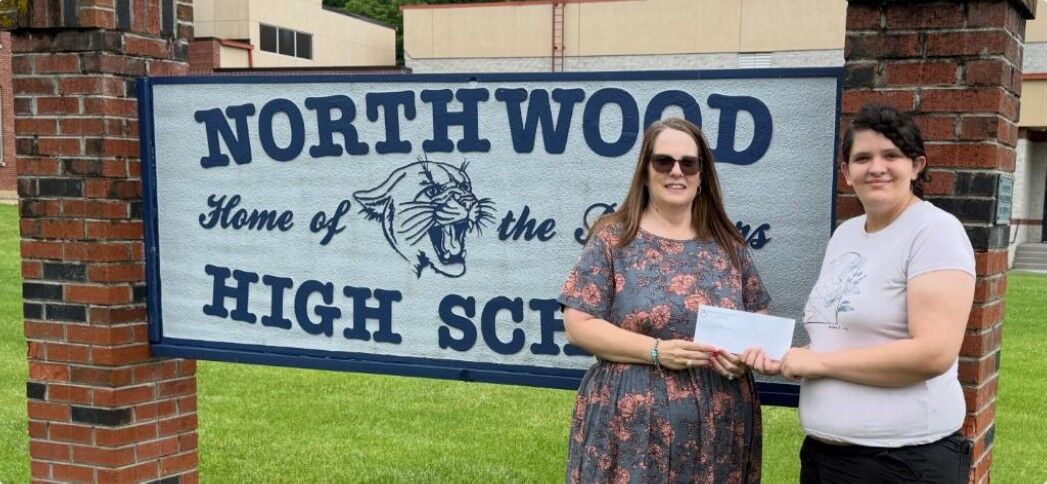
Scarlett Lewis's design was chosen for this year's Apple Festival brochure.
Scarlett Lewis's design was chosen for this year's Apple Festival brochure.
Scarlett Lewis's design was chosen for this year's Apple Festival brochure.
Scarlett Lewis's design was chosen for this year's Apple Festival brochure.
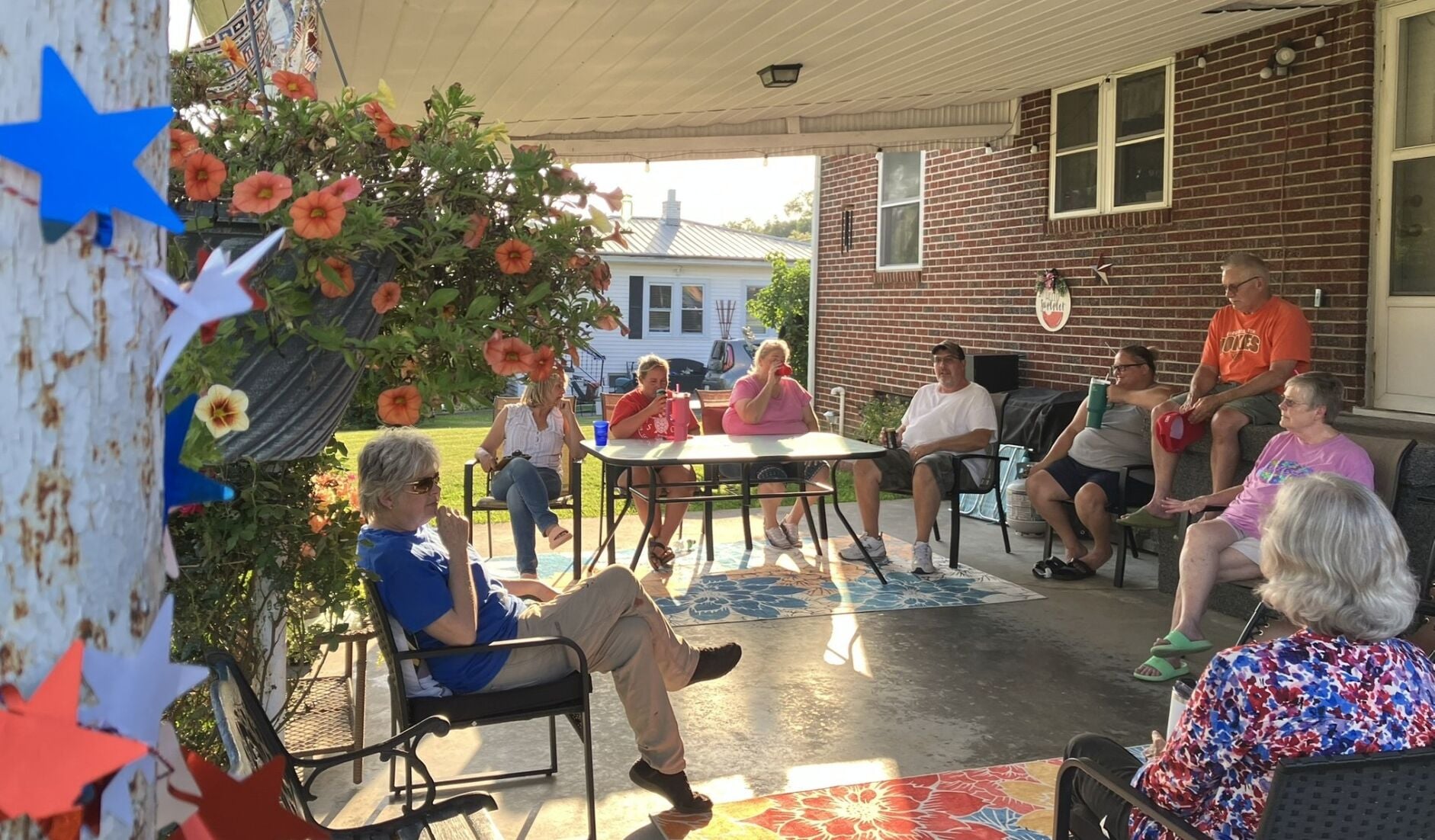
Culbert Drive neighbors gathered Monday evening to plan for a special Fourth of July celebration.
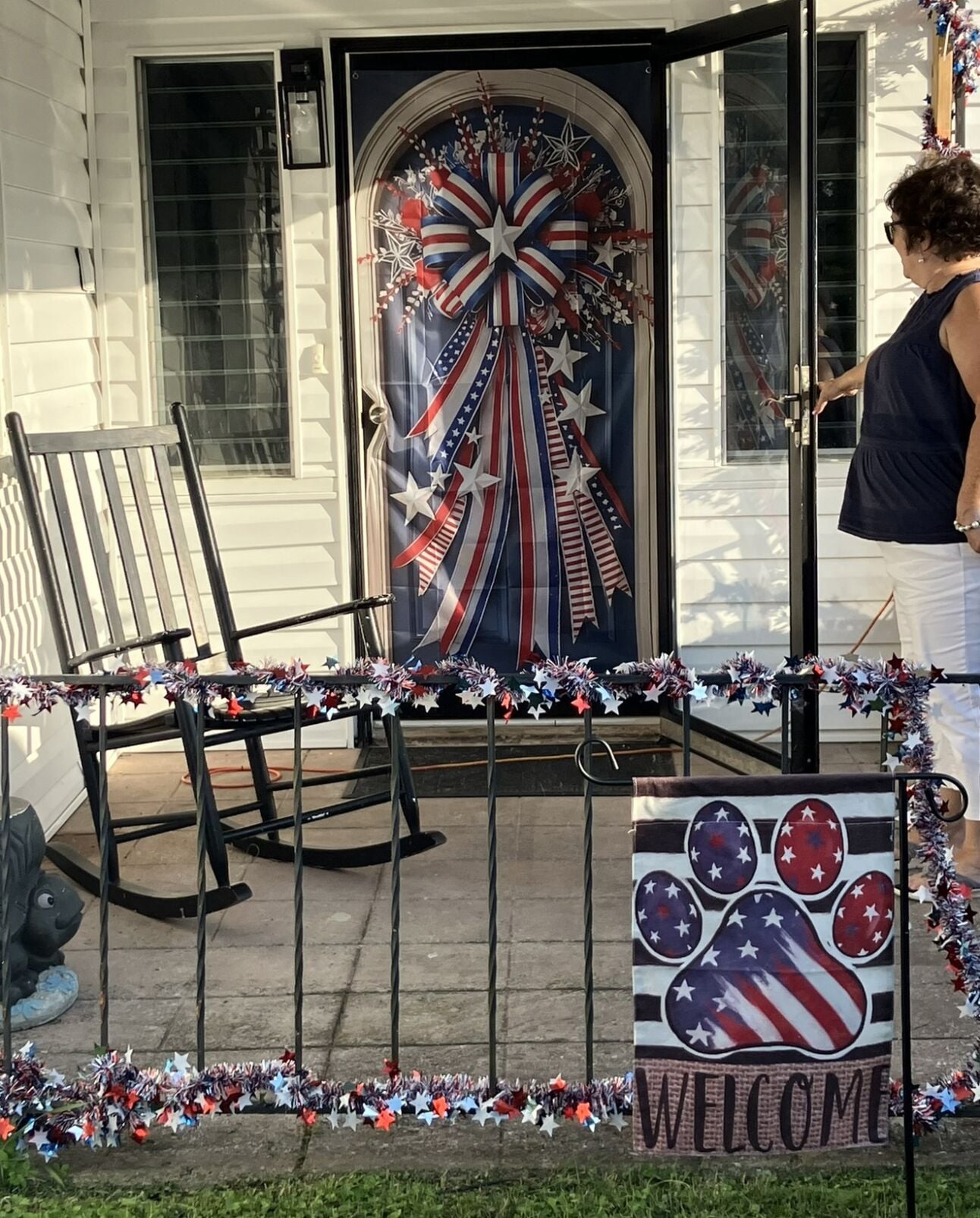
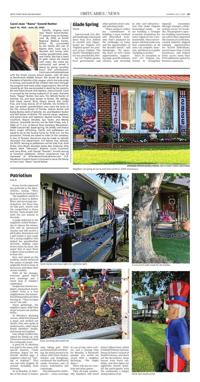
Resident Donna Richardson has served as a coordinator for this neighborhood event. She showed off neighbors' decorations Monday.
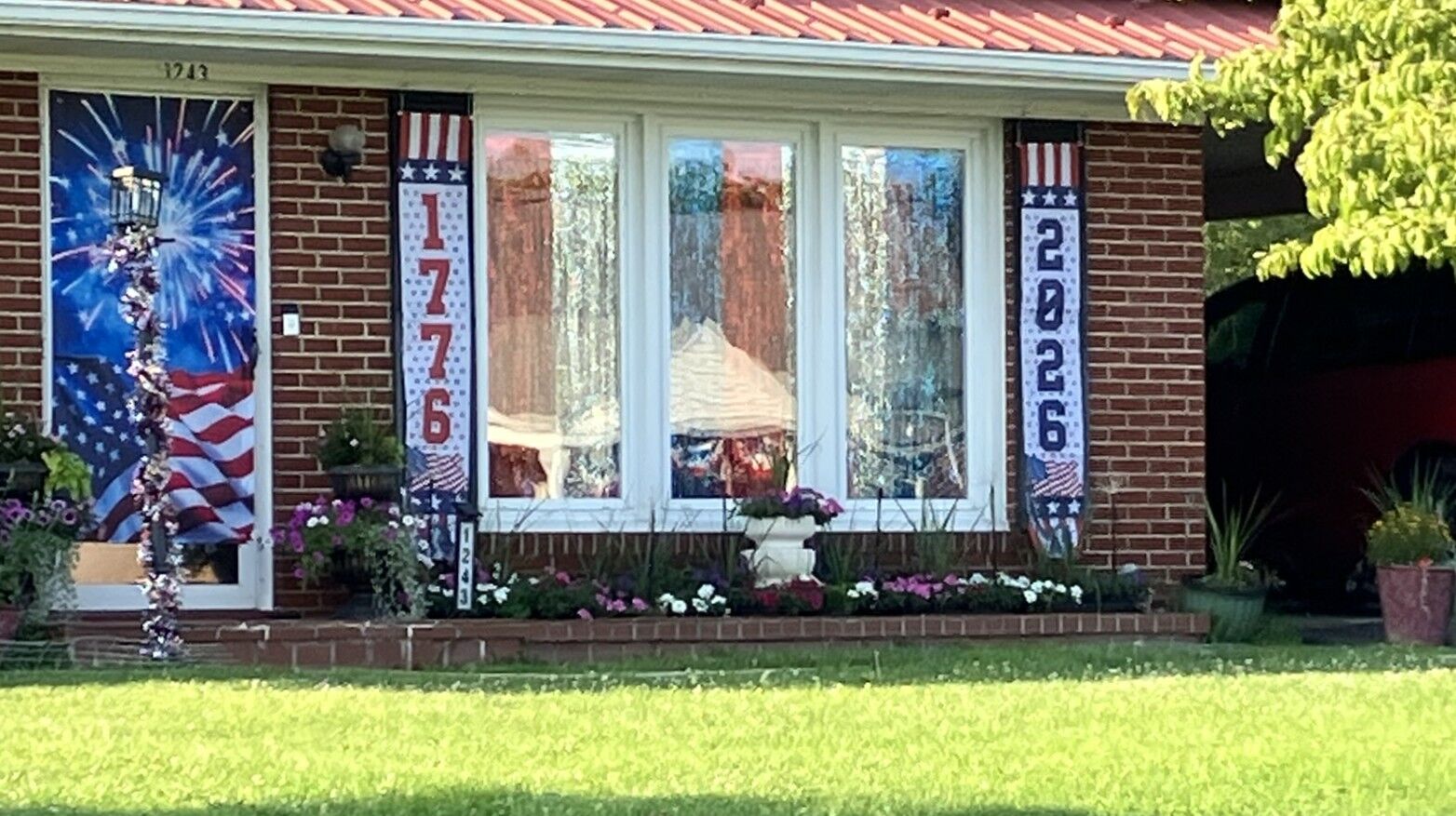
Neighbors are going all out to mark this country's 250th anniversary.
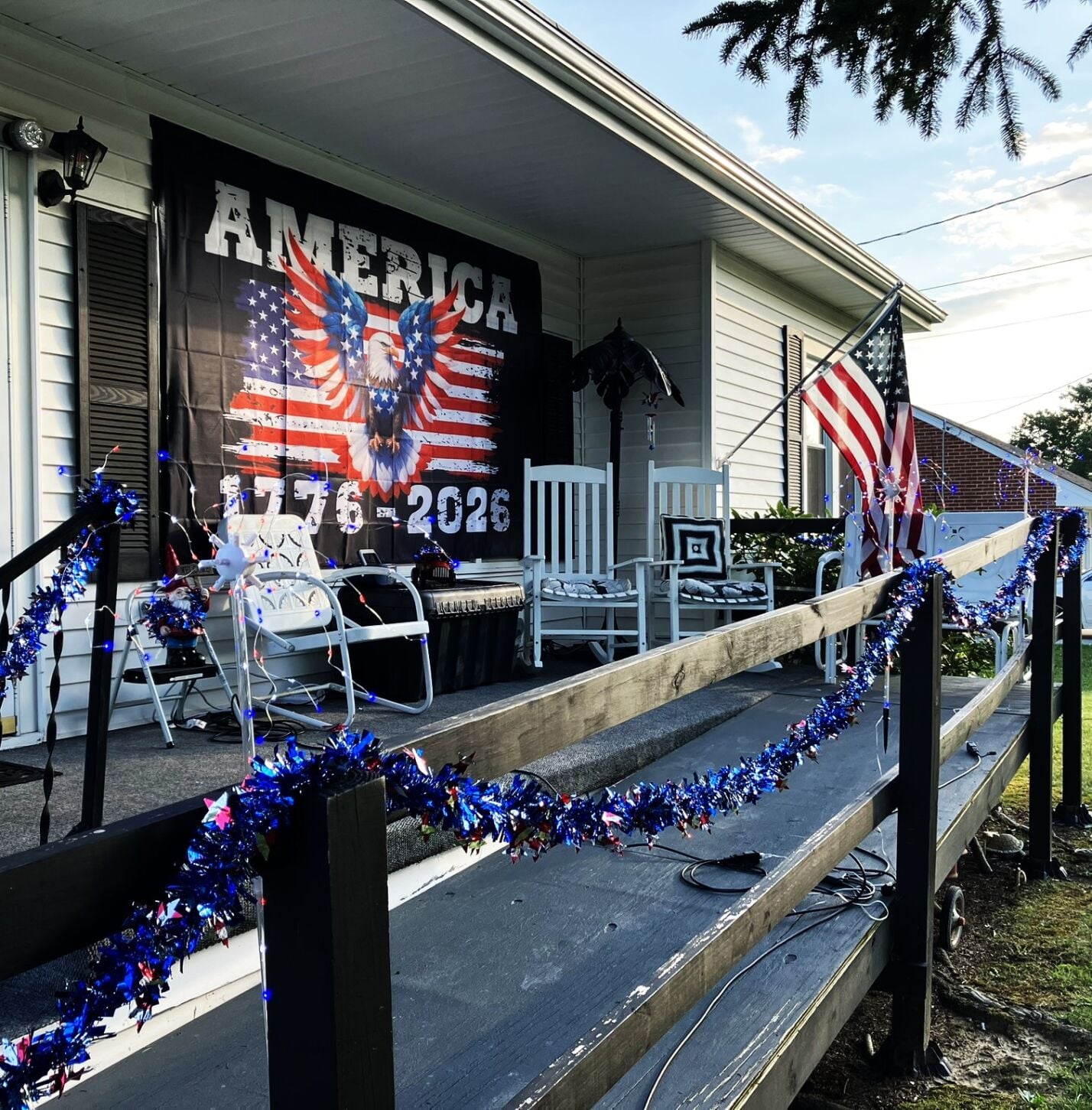
Some homes even have lights for nighttime spirit.
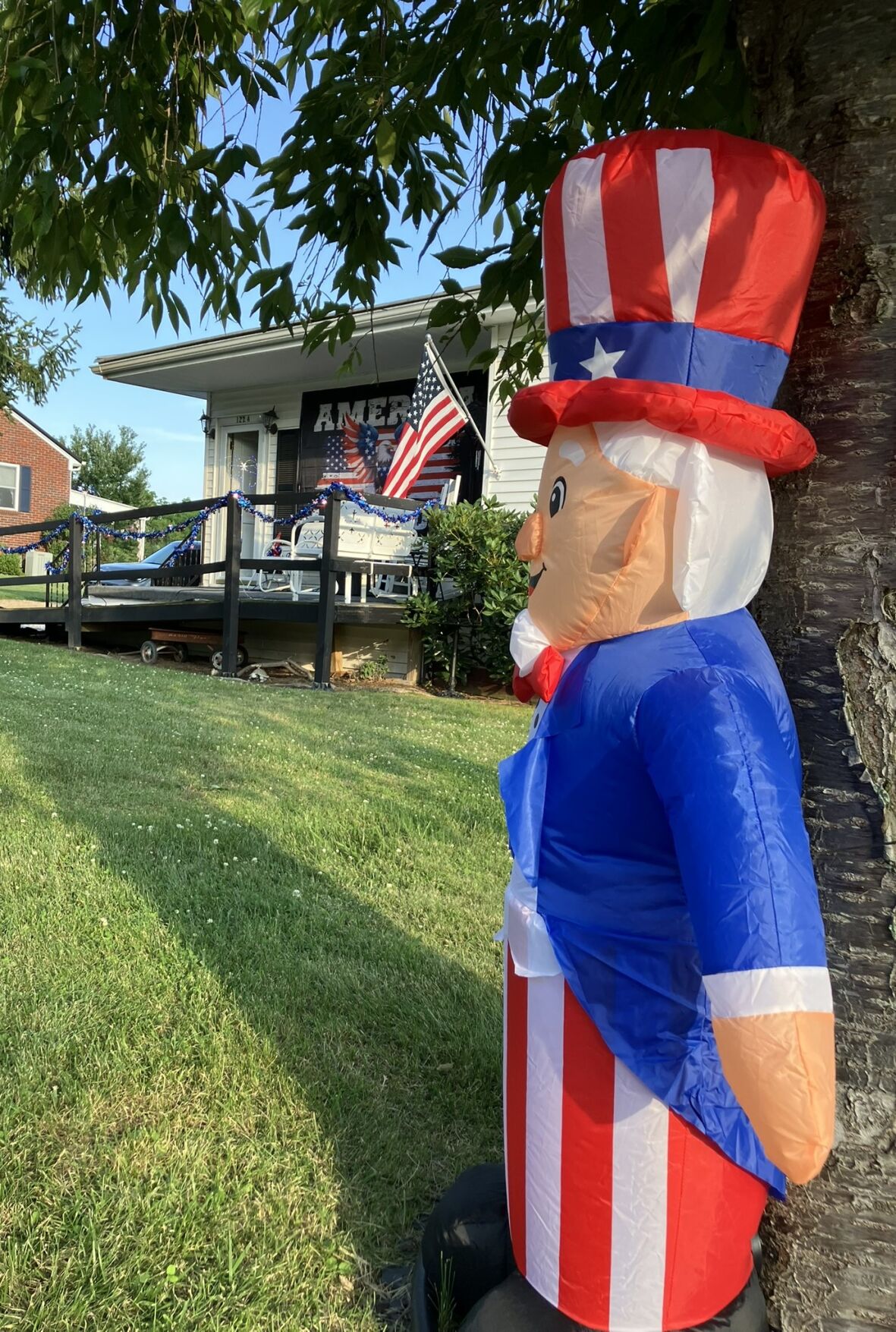
Uncle Sam stands proud.
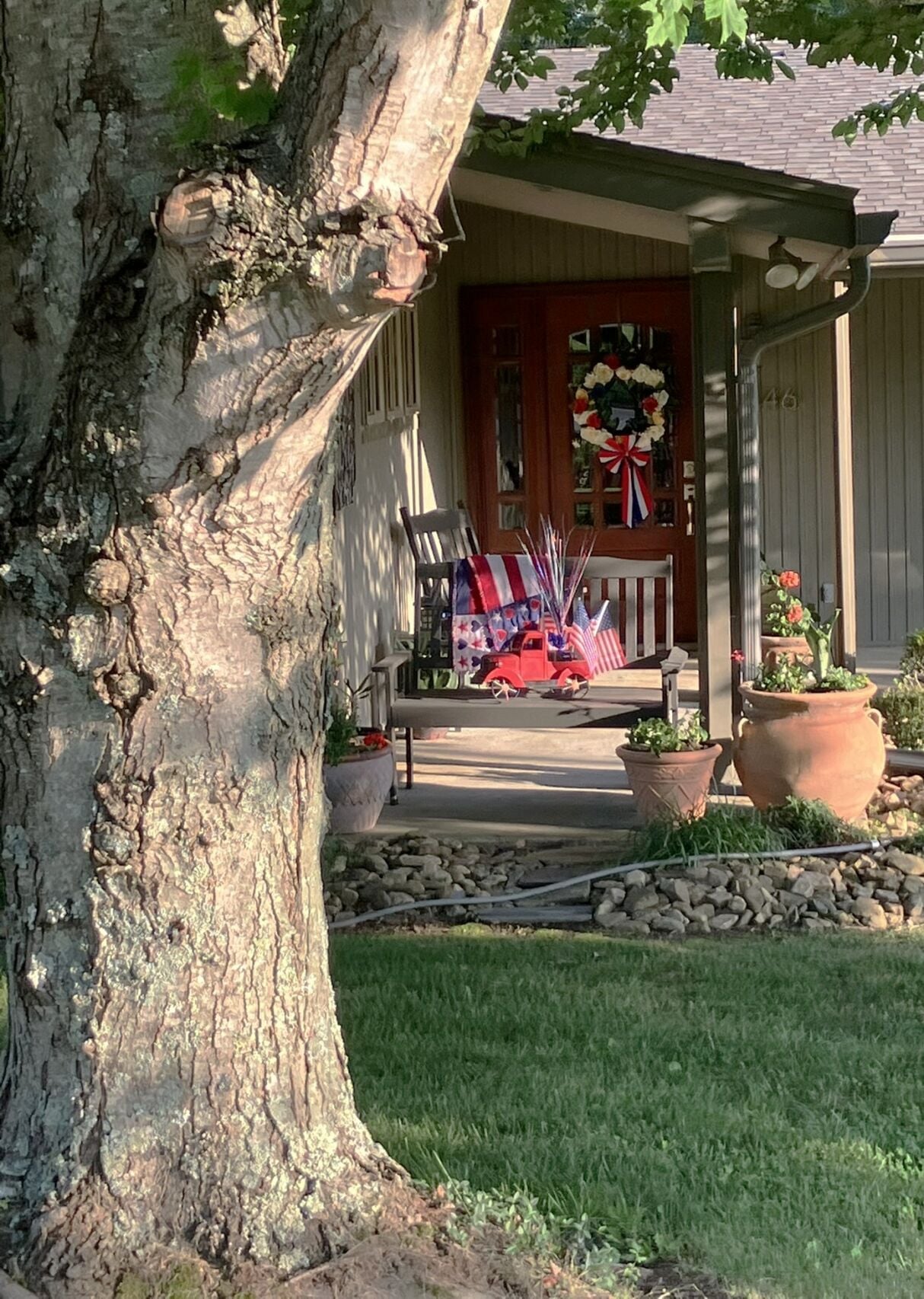
A cozy porch looks ready for the holiday.
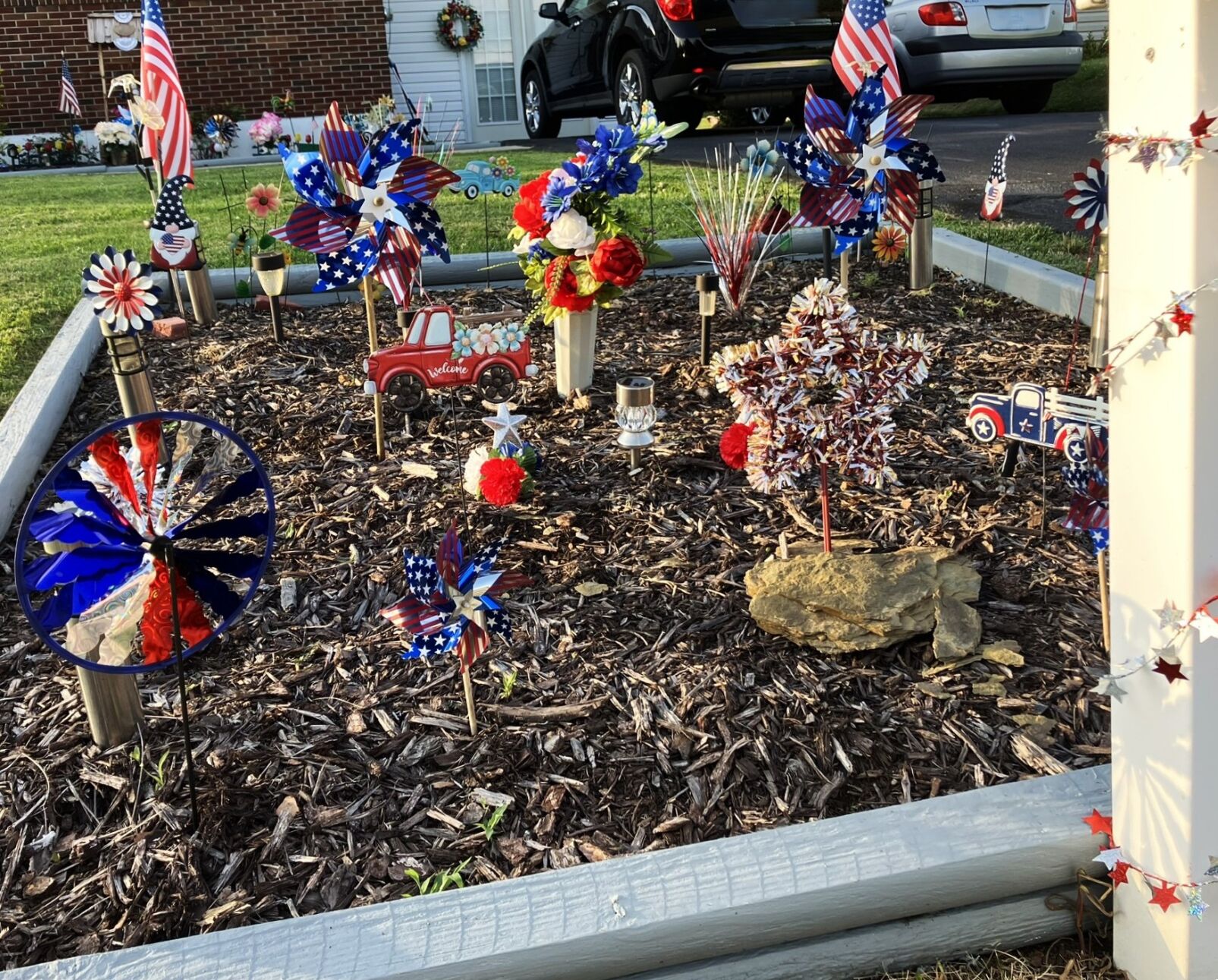
Yards are being decorated too.
Marion is often referred to as the USA’s most patriotic town. This year, Culbert Drive may well deserve the designation of Marion’s most patriotic neighborhood.
Most Culbert Drive residents are taking part in a patriotic house/yard decorating contest and will gather for a neighborhood celebration this weekend.
Monday evening, about a dozen neighbors gathered at Donna Richardson’s house for a planning session. Richardson has served as a coordinator for the competition and gathering.
Monday, she said the neighborhood did a similar contest eight years ago and decided it was time to try it again with the 250th anniversary of the Declaration of Independence’s signing.
Even if it rains, she declared, “we’re going to waddle like ducks” to take part.
Susan Austin expressed her gratitude to the Richardsons, saying, “Bless their hearts for hosting it.”
The neighbors united to go door to door to deliver flyers and encourage participation. For those who do take part, Austin said the competition is fierce but fun. Some people wait until the last minute to decorate.
A judge unknown to the neighbors visited Wednesday to choose the winner, who will be announced Sunday and will receive a gift basket. Richardson said a gift basket is also ready for a young neighbor who helped her grandmother decorate, making some festive items by hand. She noted that at least three Culbert Drive residents are in their 80s.
Born and raised on the roadway, Austin rattled off the names of people who originally lived in many of the houses and where their owners worked.
With all the changes, everyone agreed they’ll have nametags and a street map at Sunday’s celebration.
Despite lots of newer residents, Richardson knows Culbert Drive is a true neighborhood. She remembered being embraced when moving in. “They’ve taken me in,” she said.
These gatherings, the neighbors agree, help them all get to know one another better.
At Monday’s planning session, while they planned a menu and worked out details, they also spoke of anniversaries, asked about family members’ health, and teased and laughed.
One college student who signed his family up, told Donna how much he valued the community event.
A good bit of attention was paid to the menu with special requests. Cindy Newman hoped for her favorite deviled eggs. A neighbor called out, “Eating or making?” That was met with laughter all around, including from Newman.
As of Monday, 19 families of the about 25 homes were taking part. With each household contributing, the menu proved to be robust with fried chicken, chicken and dumplings, cornbread, the traditional salads, brownies, and, of course, watermelon and cantaloupe.
They planned for contingencies – extra coverings in case of rain, extra coolers, and a cleanup time for Monday. A Bluetooth speaker was tested for sound with a neighbor declaring, “We might dance.”
There will also be cornhole and other games.
They all hope community members will travel down Culbert Drive, which is behind Walmart and near Emory & Henry’s School of Health Sciences, and check out the decorations. Some houses even boast red, white, and blue lights for nighttime Fourth spirit. All the participants wish the community a Happy Independence Day!

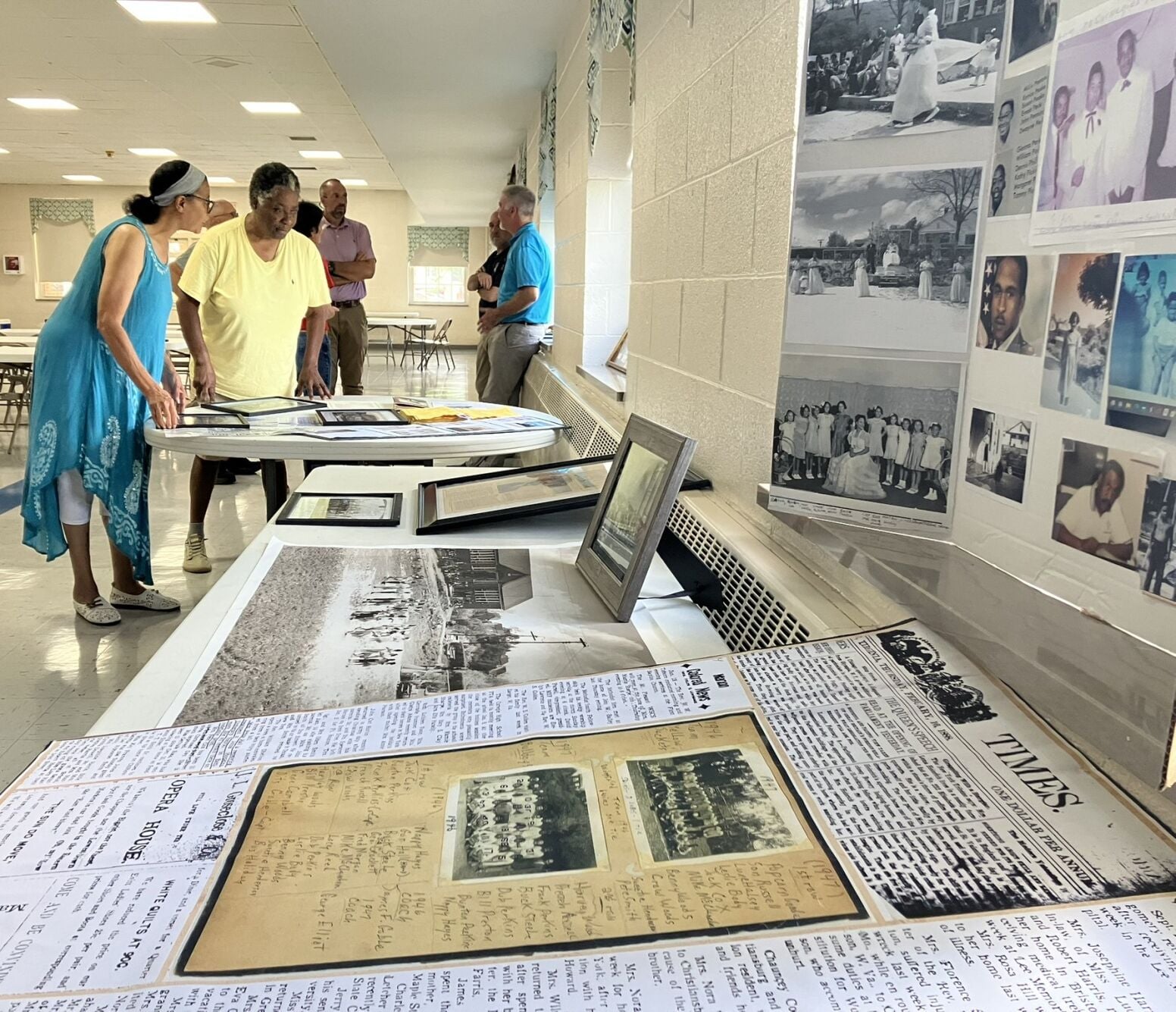
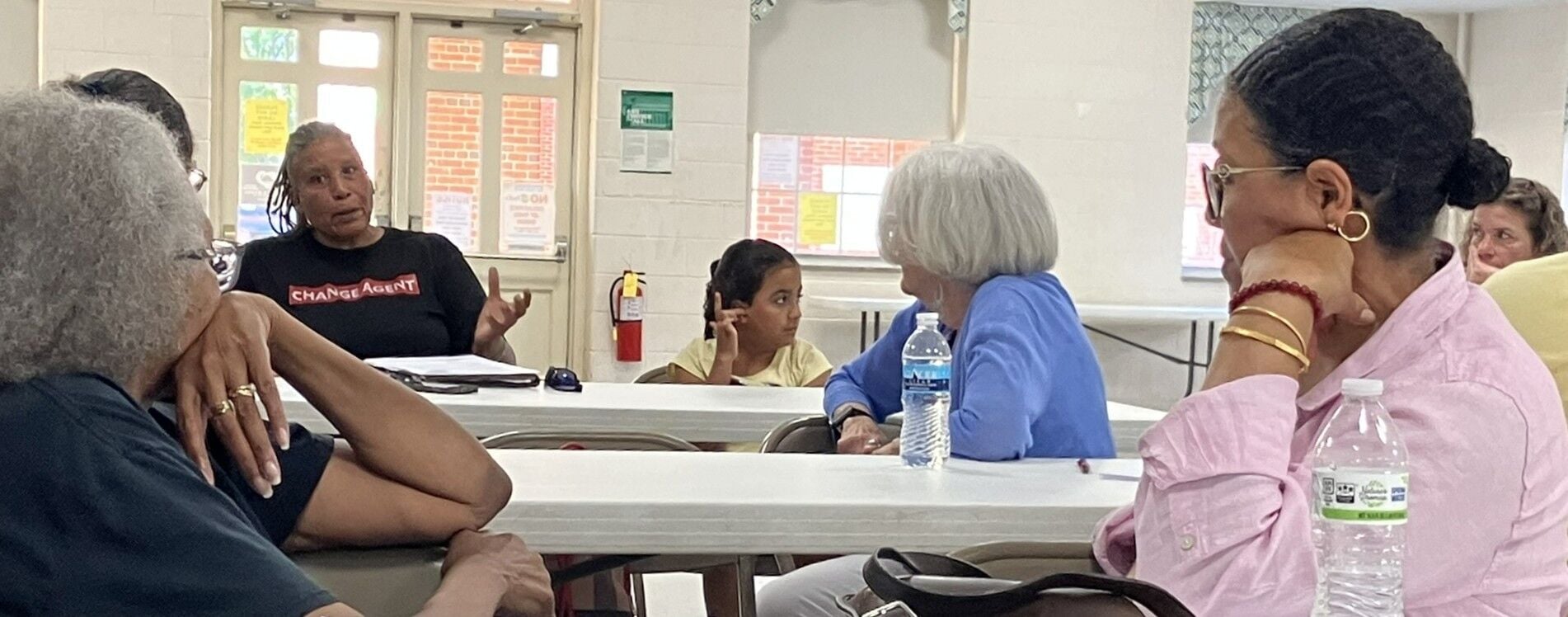
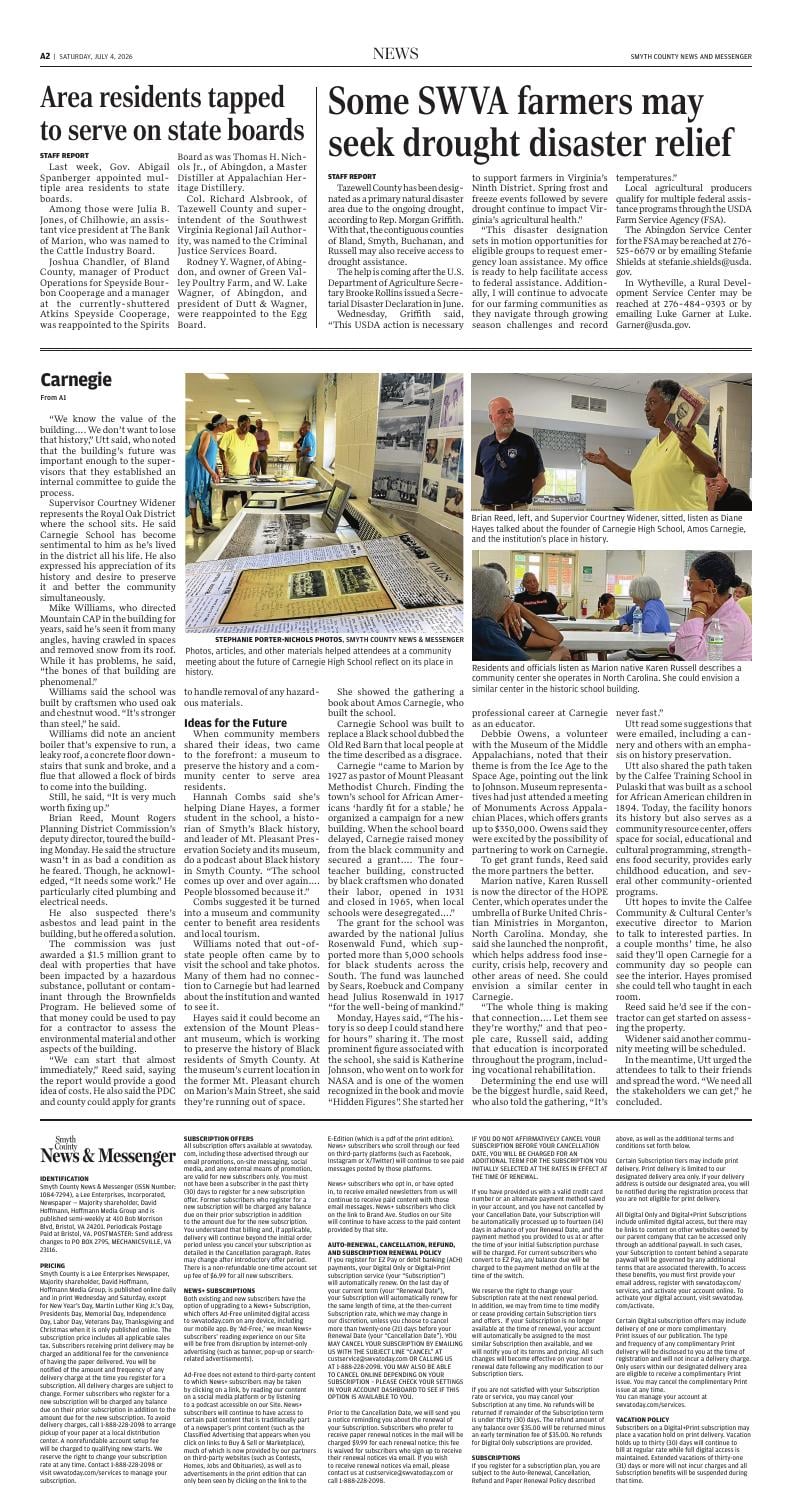
Photos, articles, and other materials helped attendees at a community meeting about the future of Carnegie High School reflect on its place in history.
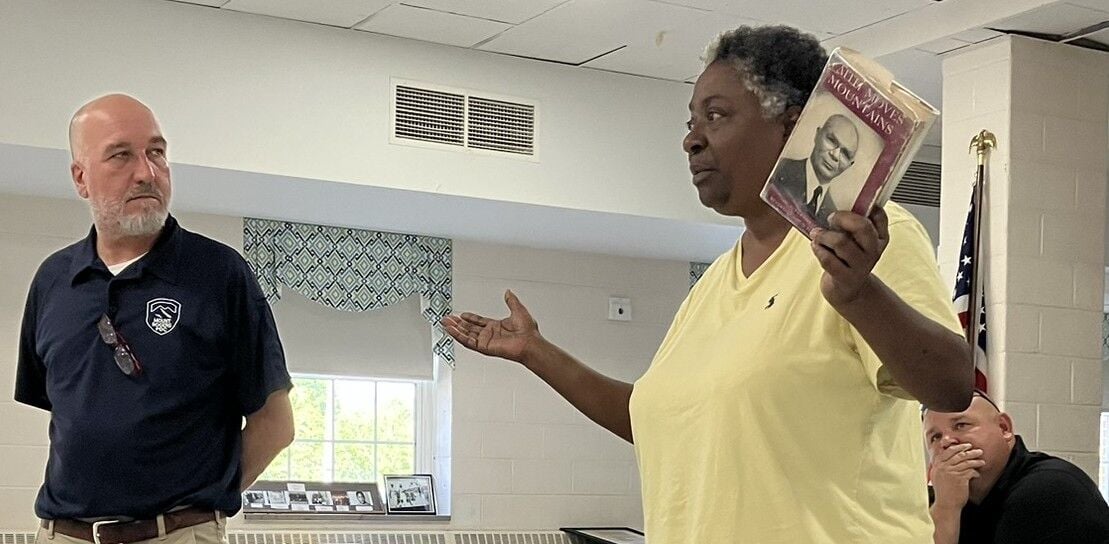
Brian Reed, left, and Supervior Courtney Widener, sitted, listen as Diane Hayes talked about the founder of Carnegie High School, Amos Carnegie, and the institution's place in history.
Residents and officials listen as Marion native Karen Russell describes a community center she operates in North Carolina. She could envision a similar center in the historic school building.
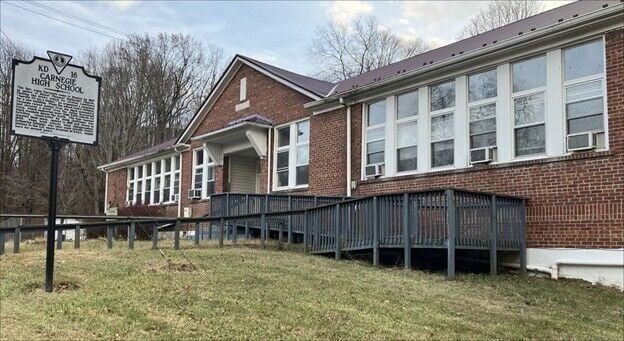
The historic Carnegie High School in Marion.
About 30 residents and community leaders talked about the future of the former Carnegie High School in Marion Tuesday evening. They came to a few conclusions.
As people came in, they were greeted by photos, articles, and other artifacts related to the former Black school that opened in 1931 and gained national significance.
County Administrator Shawn Utt told the group that the Board of Supervisors received a gift of sorts last year when Smyth County assumed ownership of the former school. He emphasized that action is needed soon to prevent greater damage to the building that has been sitting empty since Mountain CAP ended its lease for the property on Aug. 31, 2025. Even then, Utt said much of the building was unused.
“We know the value of the building…. We don’t want to lose that history,” Utt said, who noted that the building’s future was important enough to the supervisors that they established an internal committee to guide the process.
Supervisor Courtney Widener represents the Royal Oak District where the school sits. He said Carnegie School has become sentimental to him as he’s lived in the district all his life. He also expressed his appreciation of its history and desire to preserve it and better the community simultaneously.
Mike Williams, who directed Mountain CAP in the building for years, said he’s seen it from many angles, having crawled in spaces and removed snow from its roof. While it has problems, he said, “the bones of that building are phenomenal.”
Williams said the school was built by craftsmen who used oak and chestnut wood. “It’s stronger than steel,” he said.
Williams did note an ancient boiler that’s expensive to run, a leaky roof, a concrete floor downstairs that sunk and broke, and a flue that allowed a flock of birds to come into the building.
Still, he said, “It is very much worth fixing up.”
Brian Reed, Mount Rogers Planning District Commission’s deputy director, toured the building Monday. He said the structure wasn’t in as bad a condition as he feared. Though, he acknowledged, “It needs some work.” He particularly cited plumbing and electrical needs.
He also suspected there’s asbestos and lead paint in the building, but he offered a solution.
The commission was just awarded a $1.5 million grant to deal with properties that have been impacted by a hazardous substance, pollutant or contaminant through the Brownfields Program. He believed some of that money could be used to pay for a contractor to assess the environmental material and other aspects of the building.
“We can start that almost immediately,” Reed said, saying the report would provide a good idea of costs. He also said the PDC and county could apply for grants to handle removal of any hazardous materials.
Ideas for the Future
When community members shared their ideas, two came to the forefront: a museum to preserve the history and a community center to serve area residents.
Hannah Combs said she’s helping Diane Hayes, a former student in the school, a historian of Smyth’s Black history, and leader of Mt. Pleasant Preservation Society and its museum, do a podcast about Black history in Smyth County. “The school comes up over and over again…. People blossomed because it.”
Combs suggested it be turned into a museum and community center to benefit area residents and local tourism.
Williams noted that out-of-state people often came by to visit the school and take photos. Many of them had no connection to Carnegie but had learned about the institution and wanted to see it.
Hayes said it could become an extension of the Mount Pleasant museum, which is working to preserve the history of Black residents of Smyth County. At the museum’s current location in the former Mt. Pleasant church on Marion’s Main Street, she said they’re running out of space.
She showed the gathering a book about Amos Carnegie, who built the school.
Carnegie School was built to replace a Black school dubbed the Old Red Barn that local people at the time described as a disgrace.
Carnegie “came to Marion by 1927 as pastor of Mount Pleasant Methodist Church. Finding the town’s school for African Americans ‘hardly fit for a stable,’ he organized a campaign for a new building. When the school board delayed, Carnegie raised money from the black community and secured a grant…. The four-teacher building, constructed by black craftsmen who donated their labor, opened in 1931 and closed in 1965, when local schools were desegregated….”
The grant for the school was awarded by the national Julius Rosenwald Fund, which supported more than 5,000 schools for black students across the South. The fund was launched by Sears, Roebuck and Company head Julius Rosenwald in 1917 "for the well-being of mankind."
Monday, Hayes said, “The history is so deep I could stand here for hours” sharing it. The most prominent figure associated with the school, she said is Katherine Johnson, who went on to work for NASA and is one of the women recognized in the book and movie “Hidden Figures”. She started her professional career at Carnegie as an educator.
Debbie Owens, a volunteer with the Museum of the Middle Appalachians, noted that their theme is from the Ice Age to the Space Age, pointing out the link to Johnson. Museum representatives had just attended a meeting of Monuments Across Appalachian Places, which offers grants up to $350,000. Owens said they were excited by the possibility of partnering to work on Carnegie.
To get grant funds, Reed said the more partners the better.
Marion native, Karen Russell is now the director of the HOPE Center, which operates under the umbrella of Burke United Christian Ministries in Morganton, North Carolina. Monday, she said she launched the nonprofit, which helps address food insecurity, crisis help, recovery and other areas of need. She could envision a similar center in Carnegie.
“The whole thing is making that connection…. Let them see they’re worthy,” and that people care, Russell said, adding that education is incorporated throughout the program, including vocational rehabilitation.
Determining the end use will be the biggest hurdle, said Reed, who also told the gathering, “It’s never fast.”
Utt read some suggestions that were emailed, including a cannery and others with an emphasis on history preservation.
Utt also shared the path taken by the Calfee Training School in Pulaski that was built as a school for African American children in 1894. Today, the facility honors its history but also serves as a community resource center, offers space for social, educational and cultural programming, strengthens food security, provides early childhood education, and several other community-oriented programs.
Utt hopes to invite the Calfee Community & Cultural Center’s executive director to Marion to talk to interested parties. In a couple months’ time, he also said they’ll open Carnegie for a community day so people can see the interior. Hayes promised she could tell who taught in each room.
Reed said he’d see if the contractor can get started on assessing the property.
Widener said another community meeting will be scheduled.
In the meantime, Utt urged the attendees to talk to their friends and spread the word. “We need all the stakeholders we can get,” he concluded.
Smyth and Washington officials are partnering to get a strategically located site ready to serve an industry. Last week, the state announced a financial award to help with the project.
Officials are working to develop a site that sits along Interstate 81 in the Glade Highlands Regional Industrial Park so it’s ready to support advanced manufacturing, food and beverage processing, or logistics companies.
Plans are to develop the 24-acre parcel into a pad-ready, investment-ready site.
According to a news release from the Governor’s Office, that work is expected to strengthen regional competitiveness, expand industrial capacity, and align with the region’s targeted industry sectors.
Late last week, Gov. Abigail Spanberger announced more than $5.6 million in Growth and Opportunity for Virginia (GO Virginia) grants for projects across Virginia. The Smyth-Washington project was awarded $61,409.
For GO Virginia grants, local governments and other partners must commit matching funds.
“These projects reflect my commitment to building a more resilient and diversified economy that’s prepared for the challenges of today and the opportunities of the decades ahead,” said Spanberger. “By opening doors to new career opportunities, supporting high-growth industry clusters, and investing in sites and infrastructure that make Virginia investment-ready, we are building a stronger economic foundation for every region of our Commonwealth. These investments will help make sure that communities of all sizes can compete, innovate, and thrive in a rapidly changing economy.”
Since its inception in 2017, GO Virginia has strived to strengthen regional economies through strategic collaboration across 131 localities. The program’s capacity-building investments are said to have supported the creation of 27,000 jobs, created industry-aligned training opportunities for 58,000 individuals, served more than 27,000 businesses, and helped firms access more than $700 million in capital for business expansion.